
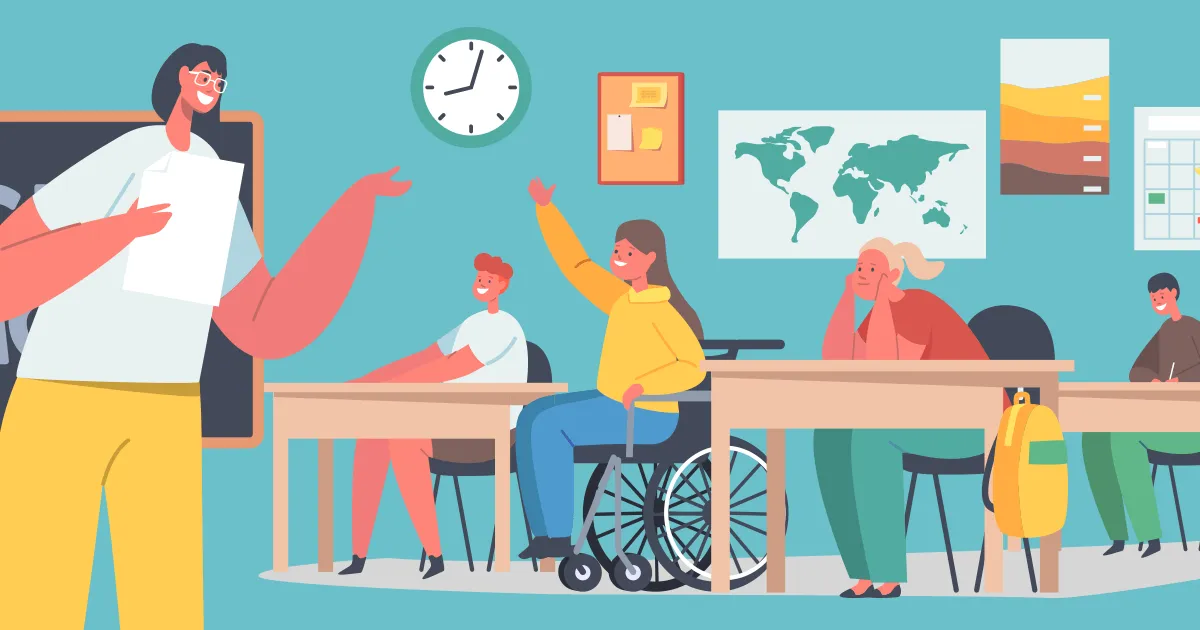
Changing careers is a major step that requires confidence, clarity, and the right set of skills. While online learning offers convenience, many professionals find that in-person education provides a deeper and more engaging experience. Programs like Cert IV delivered in a face-to-face format help individuals navigate career transitions by offering direct interaction, practical exposure, and structured guidance.
Building Confidence Through Direct Interaction
One of the biggest challenges during a career transition is self-doubt. Face-to-face learning environments address this by creating opportunities for direct interaction with trainers and peers. Being able to ask questions in real time and receive immediate feedback helps learners feel more supported.
This interactive setting encourages participation and allows individuals to express ideas openly. As confidence grows, learners become more comfortable with new concepts, making it easier to step into a different career path.
Learning Through Real-Time Feedback
Feedback is crucial for skill development, especially when venturing into a new industry. In a classroom environment, feedback is immediate and personalised, which helps learners correct mistakes and improve quickly.
Courses such as Cert IV training and assessment face to face, emphasise this aspect by allowing trainers to observe performance and provide guidance on the spot. This ongoing feedback loop guarantees that students stay on course and efficiently enhance their skills.
Enhancing Practical Skill Development
Career transitions often require hands-on skills that cannot be fully developed through theory alone. Face-to-face learning provides opportunities for practical exercises, role-playing, and real-world simulations.
These activities help learners understand how to apply their knowledge in actual situations. By practising in a controlled environment, individuals gain the experience needed to handle real challenges in their new roles.
Strengthening Professional Communication
Communication skills are important for any job, but they're even more important when you're switching fields. Face-to-face learning environments naturally encourage interaction, helping learners develop their communication skills.
Engaging in discussions, group activities, and presentations allows individuals to refine how they express ideas and collaborate with others. This improvement in communication supports smoother transitions into professional roles.
Building Valuable Networks
Networking is a key factor in successful career transitions. Classroom settings offer opportunities to connect with like-minded individuals who are also exploring new career paths.
Programs like Certificate IV in training and assessment Brisbane and similar courses in other locations bring together participants from diverse backgrounds. These connections can lead to new opportunities, collaborations, and support systems that extend beyond the classroom.
Creating A Structured Learning Environment
Without the right organisation, changing careers can be overwhelming. Face-to-face learning offers a clear and organised approach, guiding learners step by step through the process.
This structure helps individuals stay focused and motivated. It also ensures that they cover all necessary topics, reducing the risk of gaps in knowledge that could affect their progress.
Encouraging Accountability And Discipline
Learning in a physical classroom encourages accountability. Scheduled sessions and direct interaction with trainers create a sense of responsibility that motivates learners to stay committed.
This discipline is particularly important during a career transition, where consistency plays a key role in achieving success. Being part of a structured program helps individuals maintain momentum and reach their goals more effectively.
Supporting A Smooth Transition Into New Roles
Face-to-face learning not only provides knowledge but also prepares individuals for the realities of their new careers. Through practical exercises, feedback, and interaction, learners gain a clear understanding of what to expect in their roles.
This preparation reduces uncertainty and makes the transition smoother. It allows individuals to step into their new positions with confidence and readiness.
Conclusion
Face-to-face learning plays a vital role in supporting career transitions by offering interaction, practical experience, and structured guidance. It helps individuals build confidence, develop essential skills, and create meaningful connections. In a journey that requires both learning and adaptation, the benefits of in-person education provide a strong foundation for success. Ultimately, face-to-face learning bridges the gap between theory and real-world application, making career transitions more effective and confident.