
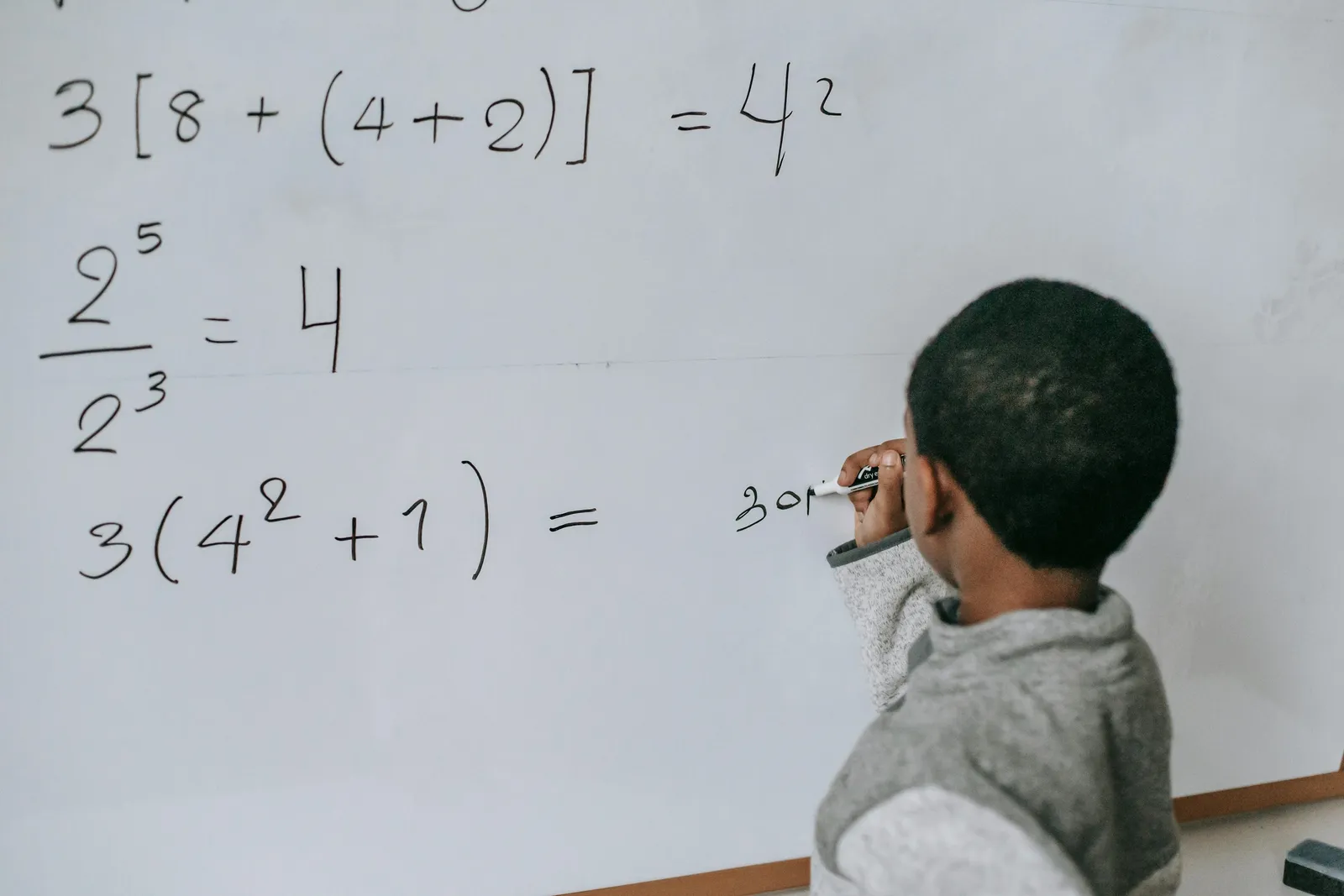
In the rapidly evolving landscape of education, technology continues to play a pivotal role in shaping the way students learn and teachers instruct. Among the array of technological innovations, interactive whiteboards stand out as powerful tools that have the potential to revolutionize traditional teaching methods. This article delves into the impact of interactive whiteboards in education and how they are transforming learning experiences for students and educators alike.
Engaging Visual Learning
Interactive whiteboards combine the functionality of traditional whiteboards with the interactivity of digital technology, creating dynamic learning environments that captivate students' attention. Here's how they enhance visual learning:
- Multimedia Integration: Interactive whiteboards allow teachers to seamlessly integrate multimedia elements such as videos, animations, and interactive presentations into their lessons, catering to diverse learning styles and reinforcing key concepts through engaging visuals.
- Interactive Content: Students can actively participate in lessons by interacting directly with the whiteboard, whether it's solving math problems, annotating text, or manipulating virtual objects, fostering hands-on learning experiences that promote active engagement and deeper understanding.
- Visual Representation of Abstract Concepts: Complex topics that are difficult to grasp through verbal explanations alone can be visualized and elucidated on interactive whiteboards, helping students conceptualize abstract ideas more concretely and facilitating comprehension.
Collaborative Learning and Classroom Interaction
Interactive whiteboards facilitate collaboration and foster a sense of community within the classroom environment:
- Group Activities: Students can collaborate on group projects and presentations using the interactive whiteboard, fostering teamwork, communication skills, and peer-to-peer learning as they work together to achieve common goals.
- Real-Time Feedback: Teachers can provide instant feedback and assessment during lessons by reviewing students' work displayed on the whiteboard, allowing for immediate correction and clarification of misconceptions to guide learning effectively.
- Interactive Polls and Quizzes: Interactive whiteboards enable teachers to conduct polls, quizzes, and interactive games to gauge students' understanding and reinforce learning objectives in a fun and interactive manner, promoting active participation and knowledge retention.
Personalized Learning Experiences
Interactive whiteboards empower educators to tailor instruction to individual student needs and preferences:
- Differentiated Instruction: Teachers can adapt lesson plans and instructional materials on the fly to accommodate diverse learning abilities and learning styles, ensuring that each student receives personalized support and challenges suited to their unique needs.
- Accessible Learning Resources: Interactive whiteboards provide access to a wealth of digital resources, including educational software, online databases, and virtual simulations, allowing teachers to enrich lessons with relevant content and provide additional resources for further exploration.
- Student-Centered Learning: By empowering students to take an active role in their own learning process through interactive whiteboards, educators foster autonomy, critical thinking, and self-directed learning skills, preparing students to thrive in an increasingly digital and interconnected world.
Conclusion
Interactive whiteboards have emerged as indispensable tools in modern education, revolutionizing traditional teaching practices and transforming learning experiences for students across the globe. By harnessing the power of interactive technology, educators can create dynamic and immersive learning environments that engage students, foster collaboration, and personalize instruction to meet the diverse needs of learners. As technology continues to evolve, interactive whiteboards will undoubtedly remain at the forefront of educational innovation, shaping the future of teaching and learning for generations to come.
Top of Form
Bottom of Form