
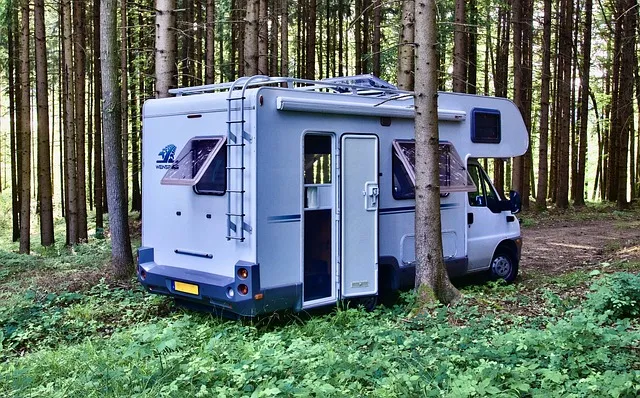
If you want to maintain a comfortable environment while travelling in a campervan, you cannot ignore the importance of campervan ventilation. You must keep fresh air circulating within the van and eliminate foul smells and condensation.
With proper ventilation, you can also control the temperature inside the van. So, let's get to know in depth why ventilating your campervan is essential.
1. Comfortable environment
Proper air circulation and adequate ventilation are required to create a comfortable environment inside the campervan. A van has a small, confined space that can quickly become smelly, but you can eliminate the foul, stuffy air with proper ventilation hacks.
2. Humidity condensation
If it gets too humid inside the campervan you hired, mould or other bacterial infections may grow. An adequately ventilated campervan can prevent condensation and mildew. It will also protect the woodwork from damage and prevent mould from destroying the structural element.
3. Get rid of odour
When you live in a confined place, it usually gets filled with body odours and cooking smells. Proper ventilation can maintain a constant flow of air pressure and remove the odour. Also, if you have a furry friend, it would add an extra odour to the van. Studies show that if a space is filled with odour, it can create heat, and a person tends to sweat more, but with proper ventilation, none of these problems would occur.
What are the sources of warmth and moisture in a campervan?
Within the van, there are different sources that you can find that leads to warm and moisture-filled air, such as -
- Breathing
When you breathe, warm air is expelled. In a confined space, the air cannot move out and keeps circulating within the van, creating a humid condition.
- Showering
When the van has an in-built bathroom, you can shower inside but must deal with condensation. The hot water from the shower turns into steam and fills the surrounding air, which increases its moisture content.
- Cooking
Cooking is the most common reason the air inside the campervan can get heated, or there is an increase in humidity. The accumulation of warm air inside the van can lead to condensation.
How to ventilate a campervan?
Active and passive are the two most possible ways to ventilate a campervan.
- Passive
For ventilation, you do not need to install any power source; instead, allow the natural air current to flow inside the van through the windows. You can attach window deflectors and bug screens on the door or have a wind-driven roof vent.
- Active
Active ventilation requires a power source that uses an external electrical source to drive away the humidity from inside the van. Examples are a powered roof vent, installing an AC unit, or plugging in a portable fan.
Summing it up
Based on your budget, you can choose between active and passive ventilation. Both will keep your campervan efficient, odour-free, and comfortable. You can also consider insulating your van. When you are checking out Camper hire, make sure to check the ventilation system of the van.