What comes to mind when you think of a designer-inspired home? Expensive furniture or hiring a big-name designer, right? But what if you could create that same vibe on your own, without going all out?
A designer-inspired home is not about buying expensive things to design your space. It depends on the subtle details of your home planning. While most people focus on filling spaces, interior designers focus on shaping them. They think about contrast, depth, and how a room feels at different times of the day. Once you start looking at your home this way, everything begins to change.
In this blog, you will read about how to design your space for a designer-inspired home.
Stop Decorating: Start Designing
The first step is to stop looking for a quick fix. Designing a home is about creating a specific setting that feels personal and consistent.
Create a Mood, Not a Moodboard
Many people try to implement the same Pinterest idea. This often leads to a space that feels like a showroom rather than a home. Instead of looking for a specific chair or rug, try to define your space vibe. Ask yourself if you want the room to be calm and airy or perhaps bold and raw. With this consideration, your choices become much more natural and less forced.
Pick a Signature Element Early
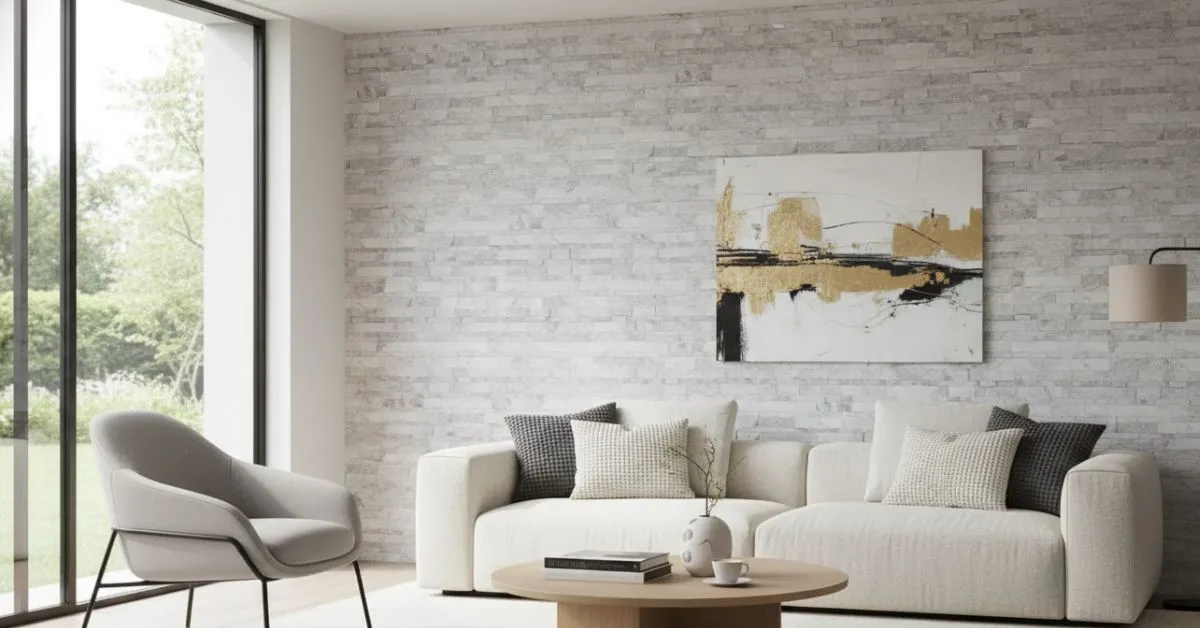
Every well-designed home needs a statement piece. This is one feature that sets the tone for everything else. It can be a beautiful lighting fixture or a statement wall using stacked stone tile. Having one bold element allows the rest of the decor to be more subtle. It serves as a focal point, guiding the layout's flow and purpose.
Create Depth with Thoughtful Layering
Flat rooms often feel cold and uninviting. Designers solve this by adding layers of different materials to create physical and visual depth.
Pair Different Materials for a Unique Look
One of the inviting homes uses a balance of hard and soft surfaces. You can pair a smooth wooden table with metal legs or place a soft rug next to a stone wall. Some effective ways to layer include:
- Using wall cladding stones to add texture to a plain hallway
- Pairing linen curtains with leather seating
- Placing indoor plants against a matte-finished wall
Use Contrast to Create Visual Drama
Contrast plays a key role in making a space sophisticated. You can play with rough and smooth surfaces or combine matte finishes with glossy ones. For example, using light walls with stone accents can add charm to your home. These small shifts in texture catch the light and add a level of sophistication that paint alone cannot provide.
Think in Zones, Not Rooms
A room doesn’t have to be used for a single purpose. Modern designers are designing homes more flexibly to create multi-purpose spaces.
Break the “One Room, One Function” Rule
A large living area can serve many purposes if you define the spaces well. You can create a small reading corner with a comfortable chair or a dedicated work nook in a quiet corner. Using rugs or different lighting can help mark these areas effortlessly.
Let Walls Do More Than Just Divide
Walls are more than just boundaries. They can guide how you move through your home. A feature wall with a stacked stone tile in a textured finish can subtly signal a change in the zone. This creates a natural flow and makes the house feel more organised and spacious.
Create Moments Not Just Spaces
A home should have areas that invite you to slow down. These are what designers call "pause points."
Design One “Pause Point” in Every Room
Every room should have one spot that makes you stop and look. It could be a small niche with a piece of art or a bench placed against a textured backdrop. These moments give the home a character and make it feel more thoughtful.
Balance Statement with Silence
Not every wall in your house needs to be a feature. It is important to let your bold elements stand out. By keeping the surrounding areas minimal, you allow your main design choices to shine effortlessly. Subtle design choices can be just as powerful as statement pieces.
Remove Some to Improve More
One of the hardest parts of design is knowing when to stop. Often, the best thing you can do for a balanced room is to remove unutilised things.
Avoid Over-Styling for Smooth Finish
Having too many decor pieces can clutter the visual of your home. It is better to have a few items that you truly love rather than a lot of small objects that mean nothing. A clean and intentional space always feels more high-end.
Let Materials Create a Vibe
Sometimes you do not need more decor if your surfaces are of high quality. Upgrading a plain wall to a well-planned stone cladding can replace the need for extra paintings or shelves. The material itself becomes the decoration, which feels much more permanent and polished.
Final Verdict: A Designer Home Is a Feeling, Not a Formula
Creating a beautiful home isn't about following what you see online. It's about making intentional choices to play with new textures. By layering materials and focusing on balanced purpose, you can create a home that is both stylish and functional. When you think of quality and balance, your space naturally takes on that polished, professional touch.
Disclaimer- The information provided in this blog is to the best of our knowledge and intended as a general guide. We recommend confirming all details based on your specific project requirements before execution.