Did you know most people decide how they feel about a space within the first 7 seconds of entering it? Not because of the furniture. Not even because of the decor. It’s the feeling, the way the floor grounds you, natural lighting reflects and how the space breathes.
Yes, every space has its own vibe.
And yet when it comes to designing a space, most people straight out jump to colours, furniture or Pinterest boards, completely forgetting the questions that actually matter.
If you ever end up with a space that looks good but somehow feels “off’’, you are not alone. The secret isn't in buying more expensive things but asking better questions before you've even begun.
Let’s fix that.
Questions to Ask Before Designing Spaces
Asking questions has always been important but asking the right questions can make or break your design game. Here are 5 questions you should definitely ask.
Question 1: How do I Want this Space to Feel?
Key Idea: Before you think about tiles, textures or layouts, pause and visualise your space.
How do you want to feel when you walk barefoot on your flooring? Should it warm and soft underfoot or cool and grounding? What kind of vibe do you want your space to capture naturally?
Relaxed, chill, luxurious, bold or calm? This emotional clarity is everything.
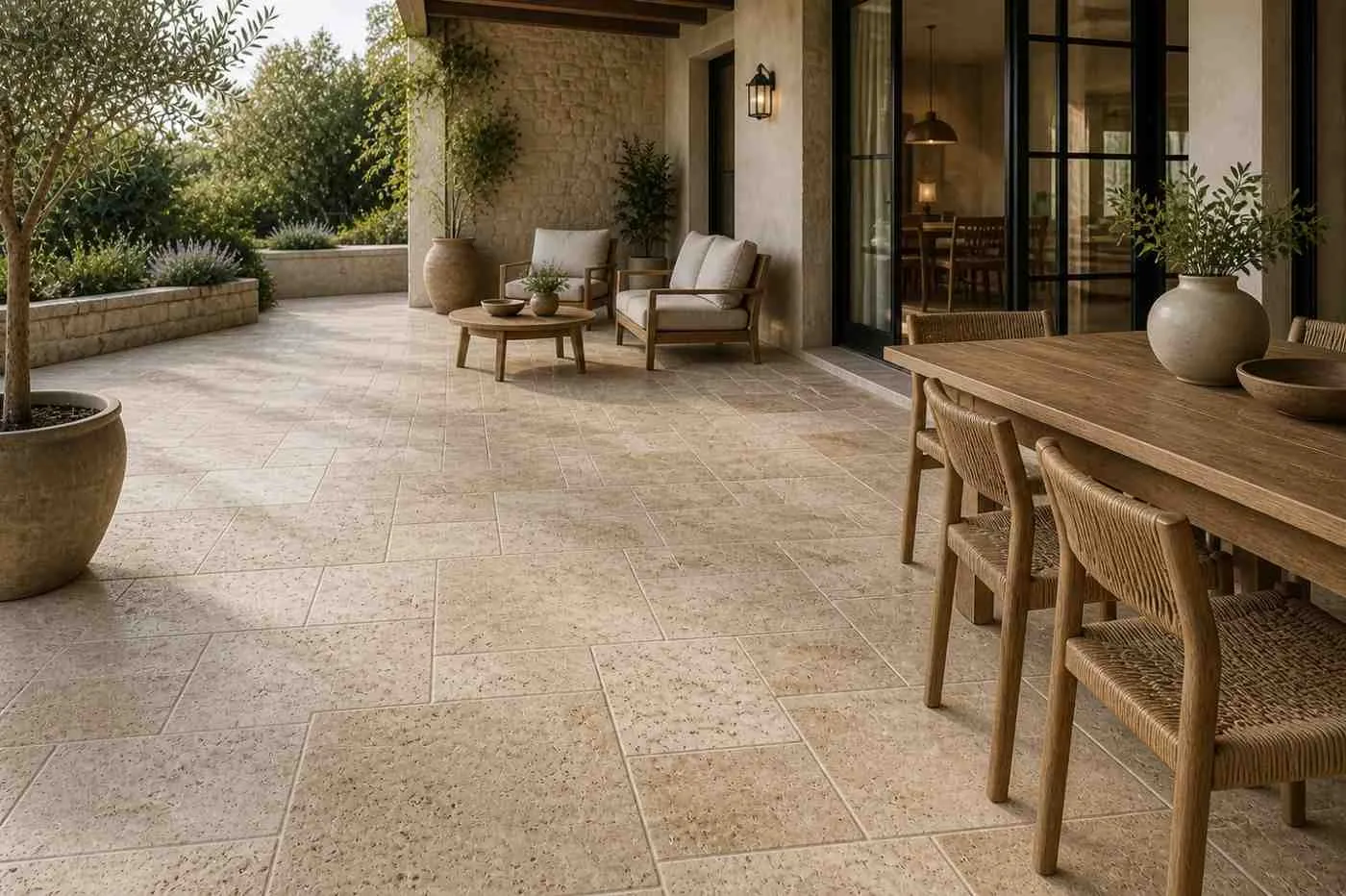
For instance, if you want a calm and grounding feel, go with natural materials like Travertine floor tiles for a lived-in feel. Their soft, earthy tones and subtle textures are a perfect balance of elegance and comfort. Compared to cold, artificial surfaces, natural materials bring warmth that's unlike man-made materials because designs are not just visual but sensory.
Question 2: Am I Designing for Trend or Timelessness
Key Idea: Trends are tempting. They are everywhere on social media, in showrooms and in perfectly styled homes that look straight out of a magazine.
But the truth is, trends pass away quicker than you think.
What feels modern today might feel outdated in just a few years; that’s why timeless design or materials are the best choice. Natural textures and subtle tones tend to outlast bold, trend-driven choices. They don't demand attention yet never go out of style. You can always change the decor, furniture or colours. But flooring? That’s a long-term decision.
Question 3: How Will this Space be Used Every Day?
Key Idea: Here is where most design mistakes happen.
A space might look stunning in photos, but if it doesn't work for your daily life, it quickly becomes frustrating. Think about movement, spills, foot traffic and maintenance. Ask such questions:
Is this a high-traffic area like the kitchen or entryway?
Will kids be running around?
Where would I like to host friends and visitors?
Will water be involved, like in the bathroom or outdoor zones?
Do you want a swimming pool or an outdoor kitchen?
This is when the choice of material is crucial. For instance, stepping out of a pool onto harsh, slippery flooring versus the one that’s textured, cool beneath your feet. That’s where the choice of swimming pool tiles matters. The right choice is not just to elevate the look but also the overall experience and comfort. Colour also plays a crucial role; for swimming pool tiles, light colours are great for the visual appeal, whereas if you are planning for outdoor kitchens, dark colours are more preferred as they hide spills and stains.
Question 4: What Is the Climatic Condition Like?
Key Idea: Your environment plays a bigger role than you think.
Changing weather conditions such as scorching summer heat, sudden rain, humidity- aren't just climate changes; they directly affect how materials perform over time. Some materials such as concrete, absorb heat and become uncomfortable underfoot, while light-coloured natural stone stays naturally cool and more pleasant to walk on.
Thinking about all the possible outcomes beforehand can save you from future troubles. For outdoor spaces, you need materials that can handle moisture and temperature changes without becoming slippery or losing charm. This is why it’s said — Ignoring climate is like designing against nature and nature always wins.
Question 5: What Kind of Maintenance Am I Willing to Commit To?
Key Idea: Let's be honest — no one wants a high-maintenance home.
Before finalising any design, ask yourself: how much effort am I realistically willing to put into upkeep? Some materials look stunning during day time but quickly become a burden. Constant cleaning, visible stains or wear can take away the joy of the space.
Materials that age gracefully, rather than showing every mark, are always a better long-term choice. Small variations and natural wear can actually add character instead of ruining the look. Because a home should support your lifestyle not complicate it.
Wrap It Up
Designing a space isn't about copying what looks good online. It’s about creating something that feels right to you. When you start with the right questions — how you want to feel, how you live and what kind of environment you want to create — you naturally make better choices. And often those choices lead you back to the materials that have stood the test of time. Materials that don't just decorate but are durable and timeless. So before you finalise colours or finishes, pause and ask yourself these five questions. Because the difference between a space that looks good and one that truly feels home is the in-depth planning beforehand.
*Disclaimer: The information provided in this blog is to the best of our knowledge and intended as a general guide. We recommend confirming all details based on your specific project requirements before execution.