The need for eco-friendly interior design is rising in the UAE. Homeowners and businesses are choosing sustainability to lessen their environmental footprint. They focus on energy efficiency, using sustainable materials, and innovative designs.
Eco-friendly interiors combine function with beauty. In a place known for modern architecture and luxury, going green shows a dedication to a sustainable future. Here are the top eco-friendly interior design trends in the UAE.
1. Sustainable Building Materials
Credited as the most important facet of eco-friendly interior designs, the use of sustainable materials has a great impact. Bamboo, reclaimed wood and plenty of other items are furniture as well as decor items in the UAE and other places.
The reason is straightforward; it is robust and can be utilized in furniture as well as building due to its quick ability to grow back. Despite being a form of recycled material, reclaimed wood can provide a rustic touch while recycling materials that were otherwise considered waste.
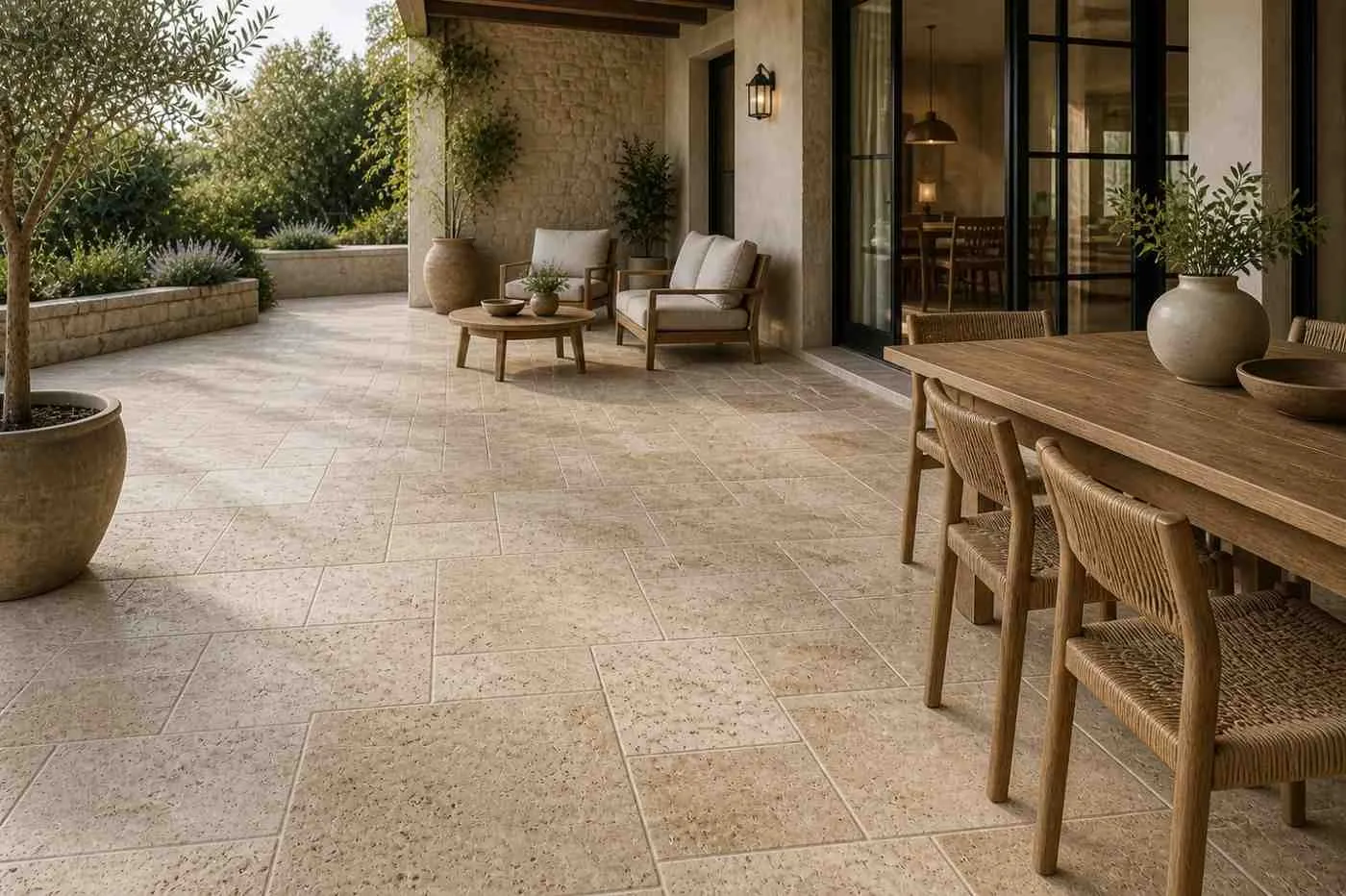
Lastly, another widely common sustainable material that can be found in the region is natural stone, which can be required with respect to walls and floors. All these materials are aesthetically beautiful but what matters is they do serve a great cause in reducing the overall carbon footprint while avoiding the depletion of valuable materials.
2. Energy-Efficient Lighting
Design is a crucial aspect of any building, and more sustainable lighting alternatives are growing in popularity in the UAE. Unlike conventional incandescent lamps, which consume a larger amount of energy, light-emitting diodes (LEDs) are preferred because of their long life and saving energy. In addition to this, the use of smart lighting systems that automatically dim the lights or turn off unused lights as per requirement progressively helps to reduce energy wastage in developed green homes and offices.
There is also a great emphasis on daylighting, which is the systematic use of almost any form of natural light, such as the sun. The opening of homes and commercial interiors to daylight is being achieved using larger windows, skylights and well-placed mirrors to reflect light, which subsequently decreases the amount of electrical lighting needed during the day.
3. Indoor Plants and Green Walls
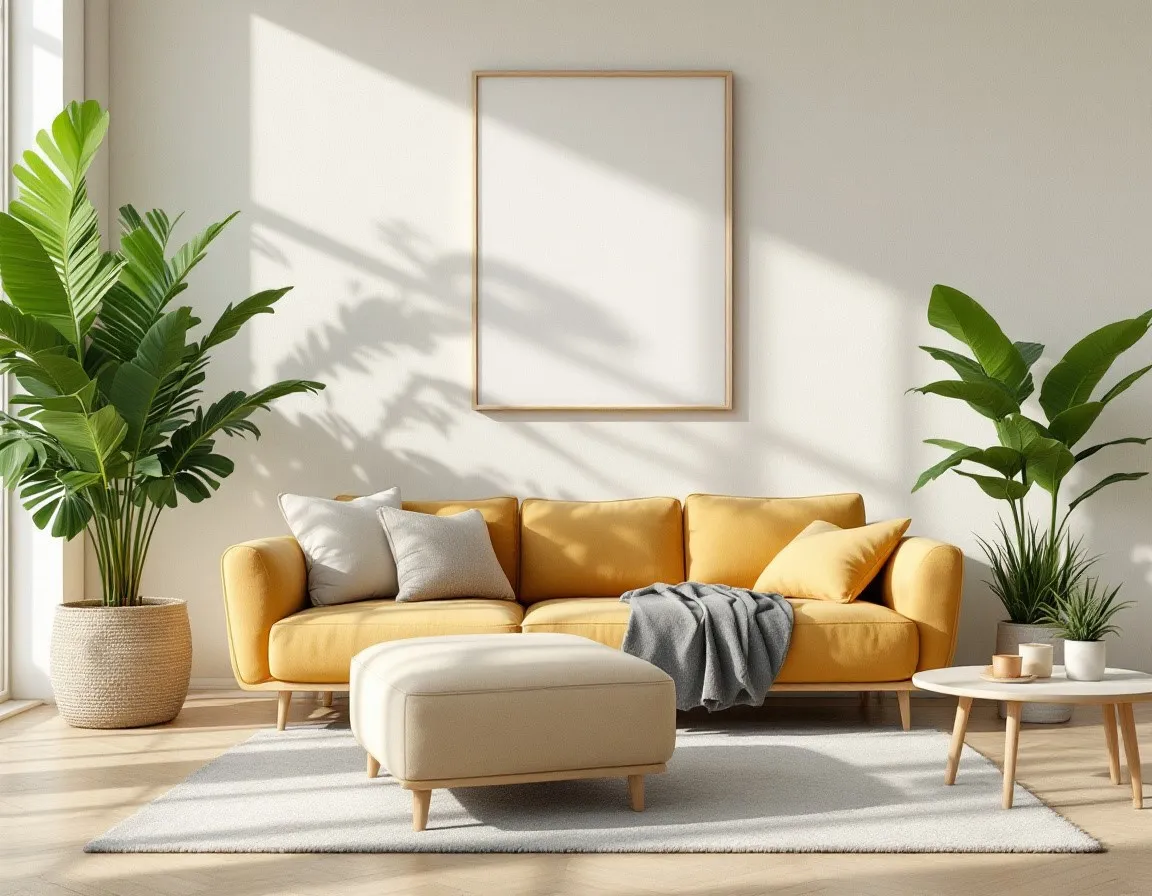
The addition of green plants to the interior of a building is a new trend that exhibits sustainability and beauty. The presence of indoor plants increases the quality of air, reduces stress on people, and thus contributes to a soothing effect indoors. Most members that comprise this list are easy to nurture and great at indoor air purification including the common snake plant, pothos vining plants, and peace lily.
In locations with limited outdoor access, such as urban apartments and offices, vertical gardens that are also known as green walls are quickly gaining popularity in the UAE. These walls are great at improving the interior of buildings while at the same time enhancing insulation, controlling room heat, and dampening sound.
4. Water-Efficient Fixtures
One of the main obstacles to achieving sustainability in the UAE is the availability of freshwater, this makes water-savers a vital element to any interior design in the region. With the advancement in modern technology, houses now get outfits with plumbing features such as low-flow kitchen and bathroom faucets, dual flush toilets and low-flow showerheads to reduce water consumption but at the same time retain home performance.
In the case of landscaping, the installation of greywater recycling systems and the use of capitalist drip irrigation systems are popular, especially in residential villas with gardens; this fits into the context of the wider UAE approach to saving water.
5. Eco-Friendly Furniture
The furniture is one of the signs of the sustainable interior design feature, as it is largely created out of recycled or upcycled materials. HVAC designers in the UAE are now using environmentally friendly materials obtained from the region to come up with eco-friendly, attractive, and environmentally responsible designs.
Furniture such as those made of recycled metal or wood draws ingenuity and originality, all while preserving the environment and producing durable, beautiful products that contribute to waste reduction.
Modular furniture is one other common type that is more appealing to clients as it can be shifted or added more to the existing one when there is a need for further shifting of furniture made of one fitting type and also minimizes the amount of waste.
6. Natural and Non-Toxic Finishes
Interiors are painted with eco-friendly and non-toxic paints as people become more familiar with the potential health threats imposed by traditional paints, adhesives and finishes due to their Volatile Organic Compounds (VOCs). Organic paints made from natural substances do not incorporate any harmful chemicals and guarantee an improved indoor environment.
Also, paints containing clay, lime or any plant substance both enhance the perfume and provide an acceptable structure to the walls and surfaces, thereby not negating the aim of being eco-friendly. These alternatives are especially applicable to the arid climate of the UAE as they are long-lasting and highly porous.
7. Solar Energy Integration
The adoption of solar energy within the buildings of the UAE is increasingly becoming prominent such that it is almost impossible to consider energy-efficient living without its integration. There is continual installation of rooftop solar panels for homes and offices, which calls for less reliance on non-renewable energy. On the other hand, the interior design helps by adding solar energy dependent equipment and lighting systems that are unobtrusive in contemporary designs.
The drive towards the use of renewable energy sources has as well advocated the use of solar for both residential and commercial undertakings for it is in harmony with the vision of the government of the U. A. E. for a greener country.
8. Minimalist Design for Energy Efficiency
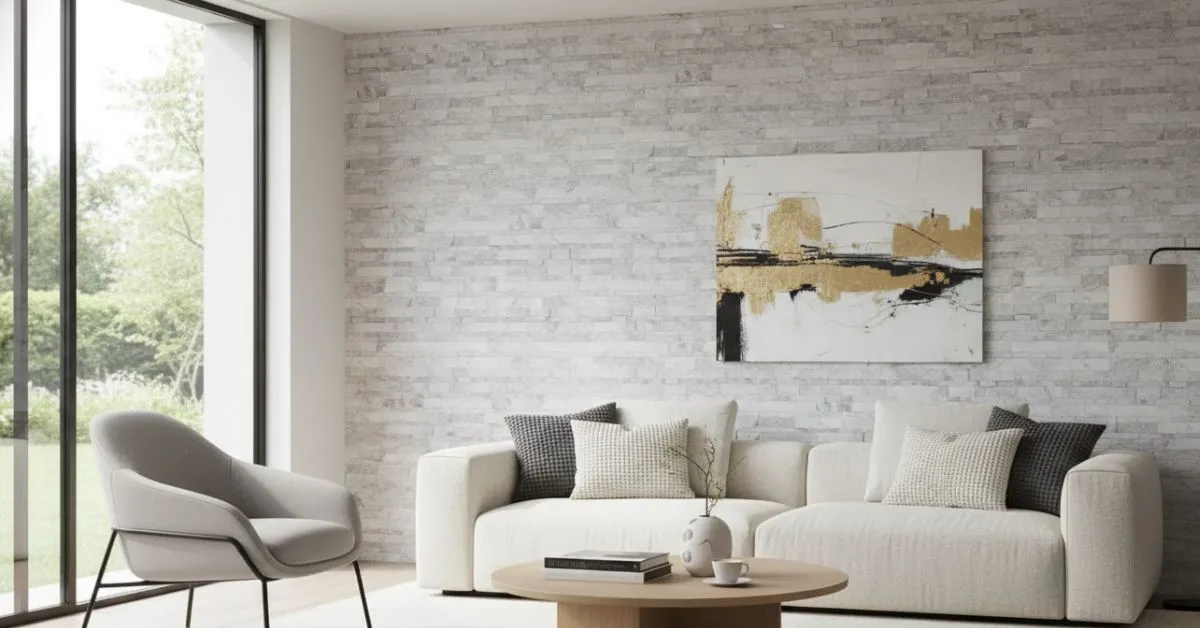
This trend is also particularly attractive in the UAE, where there is an overlap between modernity and practicality. It is common knowledge that minimalist design principles entail non-complicated lines and open spaces devoid of decor and functional accessories.
Consequently, minimalism is emerging as an eco-friendly style as it focuses on necessity, and consequently, the number of resources required for building and maintaining minimalistic interiors is reduced. Furthermore, open designs enhance the circulation of air and ensure that there is enough daylight leading to the reduction of dependence on air conditioning and electric lighting.
On the same note, the combination of minimalist approaches with the use of preferred materials creates an ideal blend of class and nature.
9. Smart Home Technology
Likewise, automated thermostats and smart appliances are optimistic technologies that will change sustainable living in the UAE. Heating appliances like water heaters, for example, are controlled in such a way that allows the owner to keep track of and control energy usage. In turn, energy waste is minimized. Smart systems are able to manage lighting, temperature and water intake, all thanks to the number of people in the house.
For instance, in smart homes, motion sensors detect whether the room is empty or in use and turn off the lights automatically, while thermostats ensure that air-conditioning is switched on only when it is required. These measures go a long way in enhancing comfort and are environmentally friendly, contributing towards a better future.
10. Local Artisans and Crafts
Purchasing locally produced goods is one trend that is constantly becoming popular in eco-friendly home interior design. When homeowners purchase decor and furniture that is produced locally, the amount of transport and mass production associated with that item is lessened. In addition, these pieces have a connection to the local culture as they are handmade and made of the local area’s sustainable resources.
In the case of the UAE, emphasis is laid on maintaining a distinct origin by utilizing crafts like handwoven rugs, pottery, and metal works in the designs of modern houses. This method is effective in maintaining traditions while aiding the economy by also encouraging the use of alternative sources of eco-friendly materials.
Conclusion
As a practical matter, eco-friendly interior design in the UAE is not just a fashion statement. It is a lifestyle that speaks to the principles of maintaining and sustaining the environment that has been promoted globally. Such strategies maintain elegant and aesthetically appealing houses while at the same time meeting the necessities of the household.
Regardless of whether you are redecorating a two-storey villa or a three-storey apartment, these current trends are inexhaustible, as they allow you to create a new design without sacrificing effectiveness. Shifting to eco-friendly features within your interiors is a change that can bring a major difference in the prospects of a greener UAE and the world.