The power of color is undeniable. It has the ability to influence our emotions, set the tone of a space, and create a cohesive design throughout a home. When it comes to interior design, one of the most crucial decisions you'll make is choosing the right colors for your home's paint. Whether you're looking to refresh a single room or undertake a complete home transformation, this guide will provide you with insights and tips on how to navigate the world of paint colors.
Understanding Color Psychology
Before diving into specific color choices, it's important to understand the psychology of colors. Different colors evoke distinct emotions and moods, which can greatly impact how you feel within a space. Here's a breakdown of some common colors and their psychological associations:
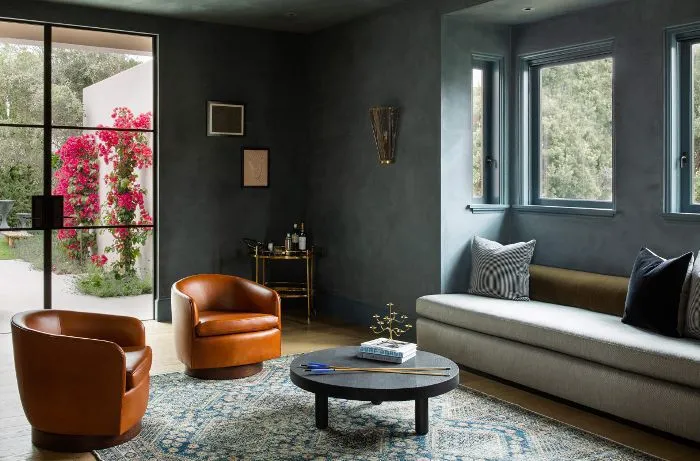
Blue: Often associated with calmness and tranquility, blue is a great choice for bedrooms and bathrooms. Lighter hues can make a space feel spacious, whereas darker blues can add sophistication.
Yellow: Yellow is known for its uplifting and energetic qualities. It can create a cheerful atmosphere in kitchens, dining rooms, and entryways.
Green: A color that symbolizes nature and growth, green can bring a sense of freshness to any room. It's particularly well-suited for spaces where relaxation and concentration are important, such as home offices or reading nooks.
Red: Bold and vibrant, red is associated with passion and energy. It's best used in areas where you want to create a sense of excitement, such as dining rooms or accent walls.
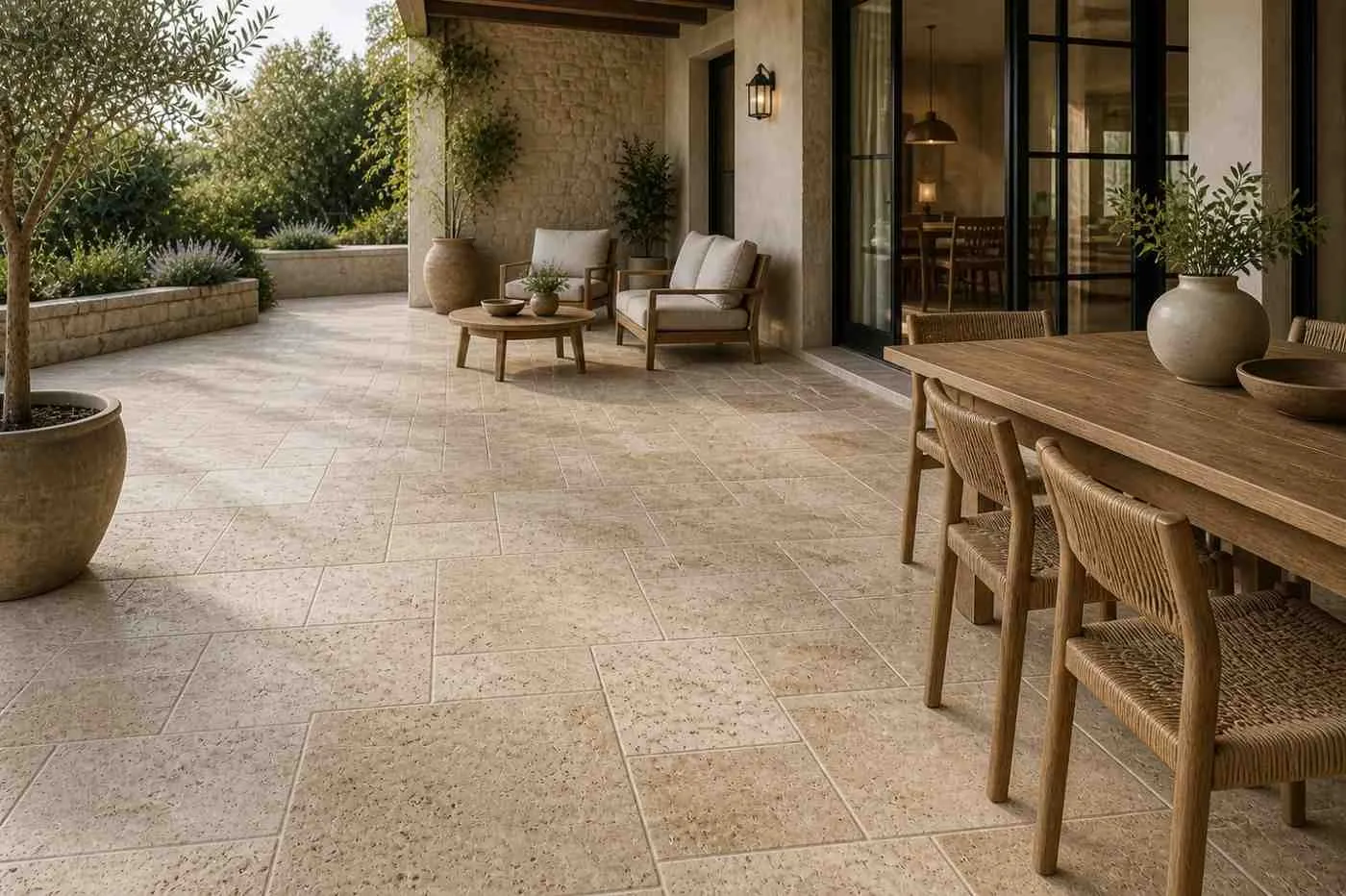
Neutral Colors: Neutrals like beige, gray, and white provide a versatile backdrop for any style. They can make a room feel more spacious and are ideal for creating a timeless look.
Consider Your Home's Style
The style of your home should also play a significant role in your color selection. Different design styles naturally lend themselves to specific color palettes:
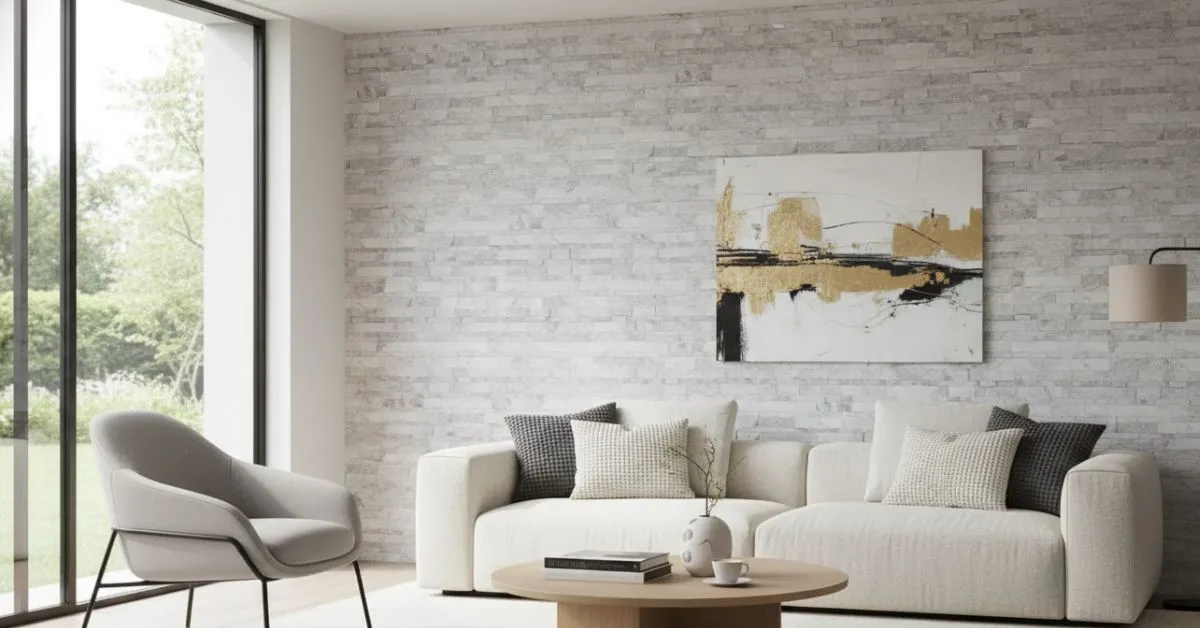
Modern and Minimalist: Clean lines and simplicity are key in modern homes. Opt for neutral tones and consider adding a pop of a bold color as an accent.
Traditional: Traditional homes often feature warm and rich colors. Deep reds, earthy browns, and classic whites can enhance the traditional aesthetic.
Contemporary: Contemporary design allows for more experimentation with color. Consider combining neutral base colors with a few vibrant, contrasting accents.
Rustic or Farmhouse: These styles often feature natural and muted colors. Think of soft grays, muted blues, and earthy greens to complement the rustic charm.
Creating Flow and Cohesion
It is crucial to create a sense of cohesion and flow throughout your home when selecting colours for different spaces. While each room can have its own unique color, using a consistent color palette or coordinating shades can tie everything together. An easy way to achieve this is by selecting a few colors and using different shades of those colors throughout your home.
Testing and Sampling
Never underestimate the importance of testing and sampling paint colors before making a final decision. Lighting conditions, both natural and artificial, can significantly alter how a color appears on your walls. Always paint a small portion of your wall with a sample color and observe it under different lighting throughout the day. This will help you avoid disagreeable surprises after you've painted the entire room.
Considering the Mood of Each Room
Different rooms serve different purposes, and the colors you choose should reflect that. Here are some tips for selecting colors for specific rooms:
Bedroom: Choose calming and soothing colors like soft blues, muted greens, or gentle purples to create a relaxing sanctuary.
Living Room: Depending on how you want the space to feel, consider warm neutrals for a cozy atmosphere or bold accents for a lively gathering area.
Kitchen: Kitchens are often lively spaces. Consider using bright and cheerful colors to energize the room and inspire culinary creativity.
Home Office: For a productive workspace, opt for colors that promote focus and concentration. Earthy tones or muted blues can work well.
Children's Room: Let your child's imagination run wild with vibrant and playful colors that reflect their personality.
Seeking Professional Advice
If you're still unsure about which colors to choose, don't hesitate to seek advice from professional interior designers or painting experts. They can offer insights based on your home's layout, lighting, and your personal preferences.When embarking on your home renovation journey, consulting experienced house painters Sydney can provide invaluable insights into selecting the perfect colors that align with both your design preferences and the unique atmosphere you wish to cultivate in each room.
In Conclusion
Choosing the right paint colors for your home is a creative journey that allows you to express your personality and create the desired atmosphere in each room. Remember to consider color psychology, your home's style, and the mood you want to convey. By taking your time, testing samples, and possibly seeking professional guidance, you'll be able to transform your living spaces into harmonious and inviting havens that truly reflect your unique taste.