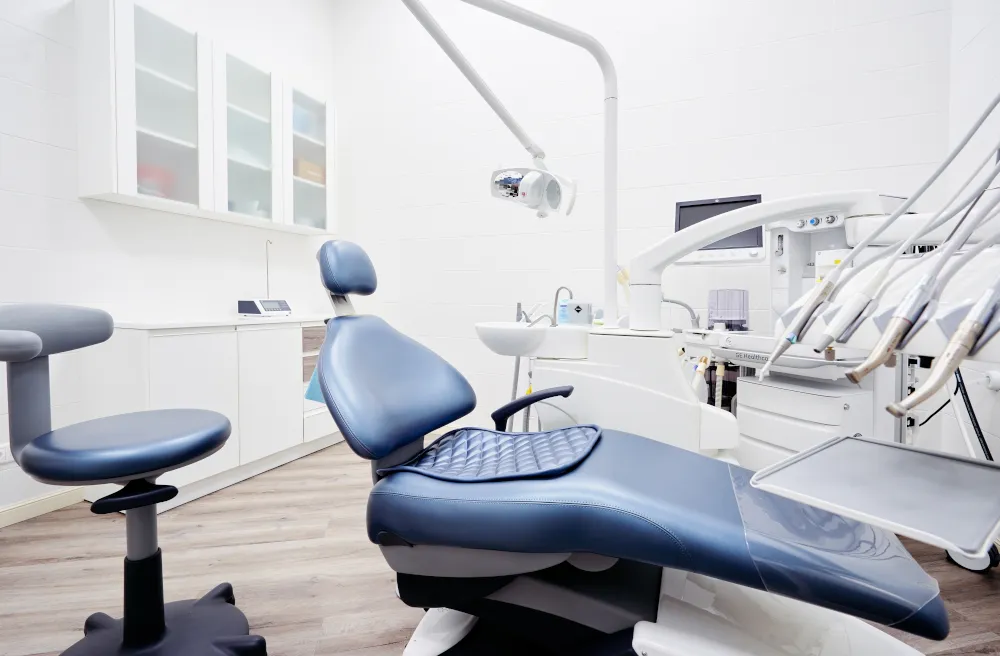
When planning the design or renovation of a dental practice, flooring is a critical aspect that often doesn't receive the attention it deserves. The right flooring goes beyond aesthetics; it influences dental hygiene, safety, and comfort—factors that are essential in a healthcare setting.
This article will explore various flooring options for dental practices, considering the unique demands of the environment, such as ease of cleaning, durability, safety, comfort, and cost-effectiveness.
1. Hygiene and Cleanability: Prioritising Sterility
In any dental practice, maintaining a sterile and clean environment is of utmost importance. The flooring must be easy to clean, resistant to bacteria, and able to withstand frequent exposure to cleaning agents and disinfectants. Here are the top choices:
-
Vinyl Flooring: Vinyl flooring is a leading option in dental practices due to its excellent hygienic properties. It is non-porous, which prevents bacteria and mould from penetrating the surface, and it’s resistant to water and chemicals, making it ideal for areas where spills are common. Vinyl flooring is available in sheets, tiles, or planks, providing flexibility in design while maintaining ease of cleaning. Regular mopping with disinfectants keeps vinyl floors pristine without degrading the material.
-
Ceramic and Porcelain Tiles: These tiles are highly durable and impervious to moisture, making them another strong candidate for dental clinics. Ceramic and porcelain tiles are not only resistant to bacteria but also to stains and heavy foot traffic. Their hard surface can be cleaned thoroughly with strong disinfectants without any risk of damage. However, while tiles are hygienic, they can be cold and hard, which might not provide the best experience for patients and staff. To counteract this, consider adding cushioned mats in areas where people stand for long periods.
-
Epoxy Flooring: Epoxy is a seamless, highly durable flooring option that’s gaining popularity in medical and dental settings. It’s resistant to stains, chemicals, and bacteria, making it an excellent choice for maintaining a sterile environment. The smooth, seamless surface of epoxy flooring reduces the risk of harbouring germs in crevices, contributing to a more hygienic space. However, installation requires professional expertise, and the initial cost can be higher compared to other options.
2. Comfort: Enhancing the Experience for Staff and Patients
Comfort is another essential factor to consider, particularly in a popular dental practice where both staff and patients may spend long hours standing or seated. Flooring that provides cushioning can reduce fatigue and create a more welcoming environment.
-
Cushioned Vinyl: While vinyl is praised for its hygienic properties, cushioned vinyl offers the added benefit of a softer, more comfortable underfoot feel. This type of flooring combines the practicality of vinyl with enhanced comfort, reducing strain on the legs and back for staff who stand for extended periods. It’s also quieter underfoot, helping to create a calmer environment for patients.
-
Rubber Flooring: Rubber is another excellent option for comfort. It’s naturally shock-absorbent and provides a cushioned surface that’s gentle on the feet and joints. Rubber flooring is slip-resistant, making it safe for areas where spills may occur. It also has sound-dampening qualities, which can help reduce noise levels in the practice, contributing to a more tranquil atmosphere. While rubber flooring is typically used in gyms, its benefits translate well to dental environments, particularly in staff work areas.
-
Carpet Tiles: Though not suitable for clinical areas due to hygiene concerns, carpet tiles can be a great choice for waiting rooms and administrative offices. They provide warmth and comfort underfoot, and their sound-absorbing properties help create a quieter, more relaxing space for patients. Carpet tiles are also modular, meaning damaged or stained tiles can be replaced individually, which is cost-effective. However, they require regular cleaning and vacuuming to maintain their appearance and hygiene.
3. Safety: Ensuring a Secure Environment
Safety is paramount in any dental practice. The flooring must provide a non-slip surface to prevent accidents, especially in areas where liquids are frequently present, such as around sinks or in sterilisation rooms.
-
Rubber Flooring: As previously mentioned, rubber flooring excels in providing a slip-resistant surface, making it an ideal choice for dental practices. Its natural grip reduces the risk of falls, which is crucial in a medical environment. Additionally, rubber’s impact-absorbing qualities can help minimise injuries if a fall does occur.
-
Textured Vinyl: For areas where spills are common, such as sterilisation rooms or near sinks, textured vinyl flooring offers extra grip. This type of vinyl has a slightly rougher surface, which helps to prevent slips even when wet. It’s also easy to clean and maintain, making it both a safe and practical choice for dental practices.
-
Anti-Slip Coatings: If you prefer the look of smoother surfaces like tiles or polished concrete but are concerned about safety, consider applying an anti-slip coating. These coatings can be applied to various flooring types, adding traction without significantly altering the appearance or ease of cleaning. This solution allows for design flexibility while ensuring the safety of patients and staff.
4. Aesthetic Appeal: Creating a Welcoming Atmosphere
The flooring in your dental practice plays a significant role in setting the tone for the overall patient experience. Aesthetic appeal should not be overlooked, as a welcoming, professional environment can enhance patient comfort and trust.
-
Luxury Vinyl Plank (LVP): LVP flooring is an excellent choice for those looking to combine style with practicality. It offers the appearance of hardwood or stone, providing a warm and upscale look without the maintenance challenges associated with natural materials. LVP is highly durable, easy to clean, and resistant to moisture, making it suitable for both clinical and public areas of a dental practice.
-
Laminate Flooring: Laminate is another cost-effective option that can mimic the look of wood or stone. It’s durable and easy to maintain, making it a popular choice for dental offices. However, it’s essential to choose a high-quality laminate that’s resistant to moisture and wear, especially in high-traffic areas. While not as soft as cushioned vinyl or rubber, laminate can still offer a comfortable surface with the right underlayment.
-
Porcelain or Ceramic Tiles: For a sleek, modern look, porcelain or ceramic tiles are a great choice. They are available in a wide range of colours and styles, allowing you to customise the aesthetic of your practice. While tiles are hard and can be cold, their durability and hygienic properties make them ideal for high-traffic areas. Consider adding area rugs or cushioned mats in waiting areas to soften the space and provide comfort.
5. Cost-Effectiveness: Balancing Budget with Quality
Budget is always a consideration when designing or renovating a dental practice. It’s essential to find a balance between cost and quality to ensure that your flooring investment will last while still being affordable.
-
Sheet Vinyl: One of the most cost-effective flooring options is sheet vinyl. It’s durable, easy to clean, and available in a variety of designs. Sheet vinyl can cover large areas with minimal seams, reducing the risk of bacteria buildup and making it easier to maintain a sterile environment. Its affordability makes it an excellent choice for practices working within a tight budget.
-
Carpet Tiles: As mentioned earlier, carpet tiles are a cost-effective option for non-clinical areas. They offer comfort and durability at a reasonable price. Because carpet tiles are modular, they’re easy to replace if damaged, which can save money in the long run. However, the initial cost and maintenance requirements should be considered when budgeting.
-
Luxury Vinyl Tile (LVT): While LVT can be more expensive upfront than standard vinyl or laminate, it offers greater durability and design flexibility, which can result in long-term savings. LVT is a mid-range option that balances quality, aesthetics, and maintenance ease, making it a popular choice for dental practices.
6. Environmental Considerations: Sustainable Choices
If sustainability is a priority for your practice, there are eco-friendly flooring options available that don’t compromise on quality or style.
-
Linoleum: Linoleum is a natural, biodegradable material made from renewable resources like linseed oil, wood flour, and cork dust. It’s naturally antimicrobial and highly durable, making it an excellent choice for dental practices focused on sustainability. Modern linoleum is available in various colours and patterns, allowing you to create an environmentally friendly and aesthetically pleasing space.
-
Cork Flooring: Cork is another sustainable option that’s comfortable underfoot and has natural sound-absorbing properties. It’s resistant to mould and mildew, making it suitable for areas with high humidity. However, cork requires regular sealing to maintain its durability in a high-traffic environment, which may add to the maintenance costs.
-
Recycled Materials: Some manufacturers offer flooring options made from recycled materials, such as recycled rubber or vinyl. These products offer the same benefits as their non-recycled counterparts but with a reduced environmental impact. Choosing recycled flooring materials can help reduce your practice’s carbon footprint while still providing a durable, practical solution.
7. Installation and Maintenance: Practical Considerations
The ease of installation and ongoing maintenance are also important factors when selecting flooring for your dental practice. Some flooring options may require professional installation or regular upkeep, which could impact your overall budget and schedule.
-
Vinyl Planks and Tiles: Vinyl planks and tiles are relatively easy to install and can often be done without professional help, depending on your DIY skills. Maintenance is straightforward, typically requiring regular sweeping and mopping with a mild detergent. The ease of installation and low maintenance make vinyl an attractive option for busy practices.
-
Tiles: Ceramic and porcelain tiles offer durability, but their installation is more complex and usually requires professional assistance. They also require periodic resealing to maintain their appearance and water resistance. The initial installation cost is higher, but the long-term durability can offset these expenses.
-
Epoxy Flooring: While epoxy flooring is highly durable and easy to maintain, its installation is more involved and must be done by professionals. The surface needs to be prepared meticulously to ensure the epoxy adheres properly. Once installed, epoxy floors require minimal maintenance, but the initial cost and installation time should be considered.
Conclusion
Choosing the right flooring for your dental practice involves balancing hygiene, comfort, safety, aesthetics, and cost. Vinyl and tile options offer excellent hygienic properties and durability, while rubber and cushioned vinyl enhance comfort. Safety can be addressed with slip-resistant materials or coatings, and sustainability can be achieved with eco-friendly choices like linoleum or cork.
By carefully considering the unique needs of your practice and weighing the pros and cons of each option, you can select flooring that supports a clean, safe, and welcoming environment for both patients and staff.