4 Recommended Household Flooring Options For Family Members with Disabilities
Living with a person with disabilities requires a residence that accommodates them. Home remodeling must consider the physical limitations of the family member and assistive mobility devices used. The selection of appropriate flooring makes getting around the house an easy endeavor while increasing safety and enhancing accessibility to other parts of the house. Here we will feature four recommended flooring options for households with a disabled family member.
Solid Hardwood Floors
There is a distinct advantage offered by hardwood floors that suits the physical needs of persons with disabilities. Hand-scraped or distressed finished hardwoods are an ideal flooring option since the texture helps prevent slipping and falling. As a bonus, scuffed hardwood caused by wheelchairs and walkers can be refinished as necessary.
Tile Floors
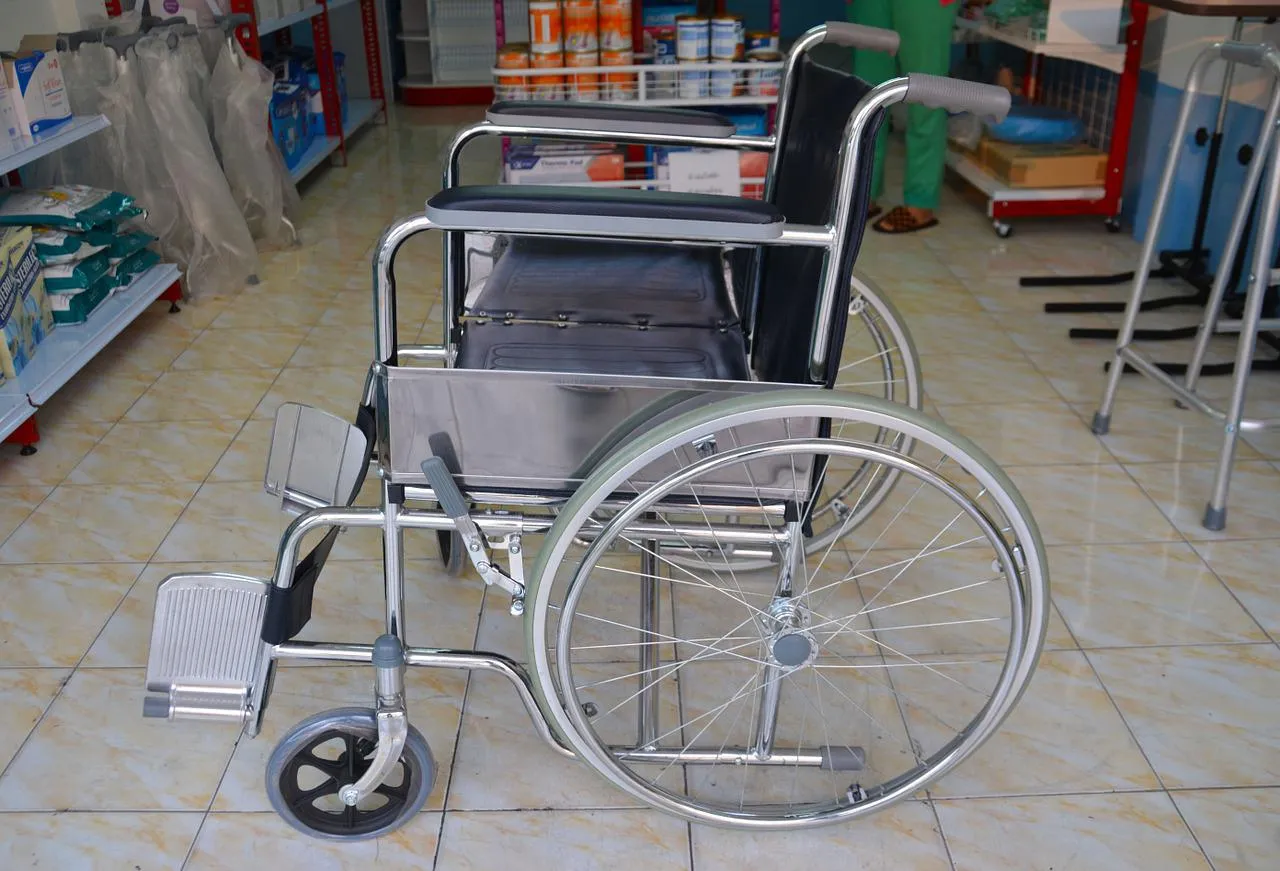
Tiles are a highly durable flooring option for persons with disabilities. They accommodate wheelchairs, but residents should still be cautious. Walkers are not recommended to be used over tiled floorings since they can be very easy to slip on. Using a textured, non-skid tile is an excellent alternative in selecting tiles as a flooring substitute while living with persons with disabilities.
Vinyl Plank Floors
Vinyl tiles and planks flooring options are an affordable substitute for solid hardwood floors. Like hardwood floors, they are highly advisable for disabled persons due to their solid flooring property. However, compared to hardwood that can be refinished over time when scuffed by wheelchairs and walkers, vinyl plank floors cannot be resurfaced. The good thing is that vinyl plank floors are relatively easy to replace.
Concrete Floors
Concrete floors, just like hardwood, are excellent flooring options. The texture of concrete floors is suitable for wheelchair and walker use. Concretes are prone to scratches caused by wheelchair and walker use, but the effects are negligible compared to scuffed hardwood floors.
Takeaway
The selection of the appropriate flooring is a critical part of remodeling a house to suit the needs of persons with disabilities. However, it is essential to stress the purpose of floors with sold base and texture. These are highly suitable for wheelchairs and walkers compared to softer floorings.
Soft flooring tends to make wheelchair and walker use a tad challenging. If you still prefer them, stick to laminated floors, textured tiles, or even rubber flooring, which creates better slip resistance. No matter what you decide on using, it is crucial to match the flooring to be used to the ability of the person with a physical impairment to get around the house. Also, it would be best if you considered floor maintenance and cleaning methods.
Carpeting can be an option, but the problem with this type of flooring is that it tends to develop debris over time. These make it challenging to use a wheelchair and even a walker to thread its surface when accumulated.
Lastly, the floorings to be installed must be stable and firm enough to compensate for the relative lack of balance brought about by the patient’s condition. Slip resistance floors must take precedent over other floor types. The NDIS plan management is here to provide persons with disabilities the necessary assistance relative to making the required home renovations to accommodate client-specific needs. Home remodeling and replacing the home’s floorings to the recommended type are some ways the NDIS can ensure safe client mobility in their current residence.