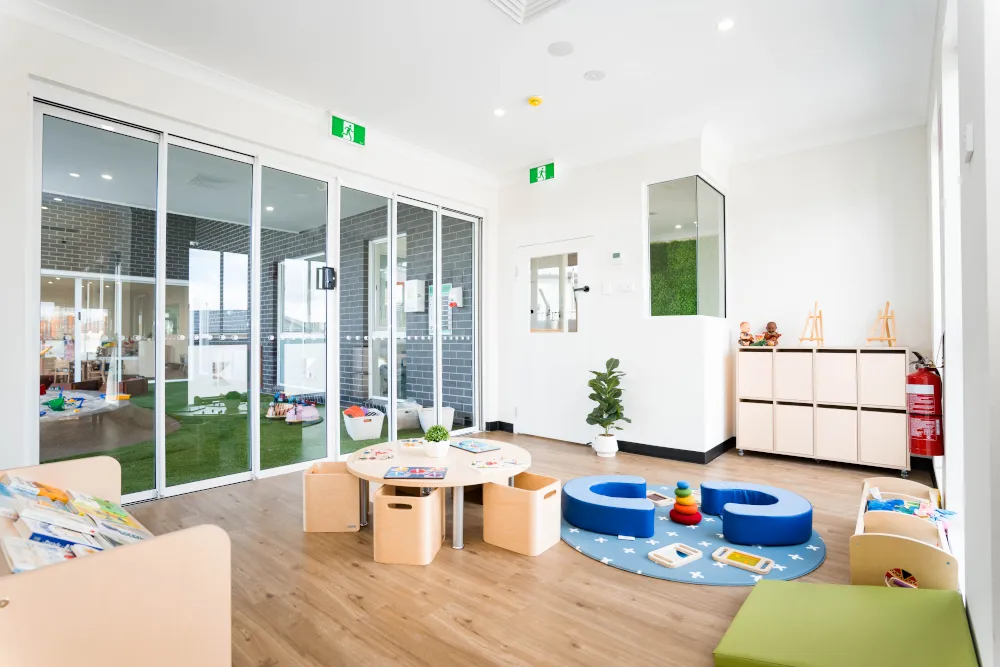
When building a new childcare centre, one of the crucial decisions you'll face is selecting the right flooring. The choice of flooring affects not only the aesthetic appeal and functionality of the space but also the safety and comfort of the children who will use it. In this article, we will explore various flooring options, considering factors such as durability, safety, ease of maintenance, and cost.
1. Vinyl Flooring
Pros:
-
Durability: Vinyl flooring is highly durable and resistant to scratches, dents, and stains, making it ideal for high-traffic areas.
-
Easy Maintenance: It is easy to clean and maintain, requiring only regular sweeping and mopping.
-
Safety: Vinyl floors provide a cushioned surface that can help reduce injuries from falls, making them a safe option for children.
Cons:
-
Environmental Impact: Some vinyl flooring options may contain PVC, which can have environmental and health impacts.
-
Aesthetic Limitations: Although modern vinyl comes in a variety of styles and colours, it might not match the aesthetic appeal of natural materials.
Best For: Areas that require a durable, low-maintenance surface and where safety is a primary concern.
2. Rubber Flooring
Pros:
-
Shock Absorption: Rubber flooring offers excellent shock absorption, which is particularly beneficial in play areas where falls are common.
-
Durability: It is extremely durable and resistant to wear and tear, making it suitable for high-traffic environments.
-
Non-slip Surface: Rubber provides a non-slip surface, enhancing safety for active children.
Cons:
-
Odour: New rubber flooring may have a strong odour, which can be unpleasant and requires time to dissipate.
-
Cost: It can be more expensive compared to other flooring options.
Best For: Play areas and high-impact zones where safety and durability are critical.
3. Cork Flooring
Pros:
-
Comfort: Cork is a soft, cushioned material that is comfortable to stand and play on.
-
Sound Insulation: It provides good sound insulation, which can help in reducing noise levels in a busy childcare centre.
-
Eco-Friendly: Cork is a renewable resource, making it an environmentally friendly option.
Cons:
-
Maintenance: Cork can be prone to scratches and dents, and it may require regular sealing to maintain its appearance.
-
Water Sensitivity: It is sensitive to moisture, so it might not be suitable for areas prone to spills or wet conditions.
Best For: Areas where comfort and acoustic properties are important, such as classrooms and activity rooms.
4. Laminate Flooring
Pros:
-
Cost-Effective: Laminate flooring is often more affordable than other flooring types while still offering a variety of styles and finishes.
-
Durability: It is resistant to scratches and stains, making it suitable for busy environments.
-
Easy Installation: Laminate flooring can be installed quickly and easily, often with a click-lock system.
Cons:
-
Durability Issues: While laminate is durable, it is not as resilient as rubber or vinyl and can be prone to chipping and damage from heavy objects.
-
Water Resistance: It is not as water-resistant as other options, so spills and moisture can cause warping or damage.
Best For: Areas where budget constraints are a factor and durability is still a concern.
5. Carpet Tiles
Pros:
-
Comfort and Warmth: Carpet tiles provide a soft and warm surface, which can be comfortable for children to sit and play on.
-
Noise Reduction: They help to absorb sound, reducing noise levels in a busy childcare centre.
-
Modularity: Carpet tiles can be easily replaced if damaged, reducing the need to replace the entire floor.
Cons:
-
Maintenance: Carpets can be harder to clean compared to hard flooring options, and they may require professional cleaning to remove deep stains.
-
Durability: Carpet tiles may not be as durable as other options, especially in high-traffic areas.
Best For: Areas where comfort and noise reduction are priorities, such as quiet rooms or reading areas.
6. Linoleum Flooring
Pros:
-
Eco-Friendly: Linoleum is made from natural materials like linseed oil, cork dust, and wood flour, making it an environmentally friendly choice.
-
Durability: It is resistant to wear, stains, and scratches and can last for many years with proper maintenance.
-
Antibacterial Properties: Linoleum has natural antibacterial properties that can help reduce the spread of germs.
Cons:
-
Installation: Professional installation is required to ensure that it adheres properly and to prevent seams from lifting.
-
Colour and Design: Although available in various designs, linoleum might not offer as many style options as vinyl or laminate.
Best For: Environments where eco-friendliness and durability are key concerns and where professional installation is feasible.
7. Engineered Wood Flooring
Pros:
-
Aesthetic Appeal: Engineered wood flooring offers the natural look of hardwood, adding warmth and elegance to a childcare centre.
-
Durability: It is more stable than traditional hardwood, resisting warping and expanding in varying humidity levels.
-
Ease of Maintenance: It is relatively easy to maintain with regular sweeping and occasional mopping.
Cons:
-
Cost: It can be more expensive than other flooring options, which might be a consideration depending on your budget.
-
Scratch Prone: While durable, it can still be prone to scratches and dents, especially in high-traffic areas.
Best For: Areas where a natural wood look is desired and where budget allows for a more premium flooring option.
Conclusion
Choosing the right flooring for a childcare centre involves balancing durability, safety, maintenance, and cost. Vinyl and rubber flooring offer excellent durability and safety features, making them ideal for play areas. Cork and carpet tiles provide comfort and noise reduction, while laminate and linoleum offer budget-friendly options with varying degrees of durability and maintenance needs. Engineered wood adds a touch of elegance but comes with a higher price tag.
Ultimately, the best flooring choice will depend on the specific needs and budget of your childcare centre. Consider each option's pros and cons carefully to make an informed decision that ensures a safe, functional, and welcoming environment for the children.