Fabric protectors help maintain the appearance of upholstery, carpets, or other fabric products. They form a barrier that repels dirt, stains, and spills, prolonging the life expectancy of your fabrics and making maintenance much easier. For fabric protectors to continue working effectively, you must maintain and reapply the product. For optimal results, apply and maintain fabric protectors according to the comprehensive instructions provided in this article.
Comprehending Fabric Protectors
Fabric protectors are designed to create a protective coating on the fabric's surface. This layer repels liquids that might penetrate the fibers of the fabric and cause stains. Over time, the effectiveness of this layer can diminish because of wear and tear, regular cleaning, exposure to various environmental elements, etc. For fabric protectors to remain effective, regular maintenance and reapplication are required.
Regular Cleaning
Maintaining the effectiveness and durability of fabric protectors requires regular cleaning. Dirt, spills, and dust can weaken the protective layer if they are not removed promptly.
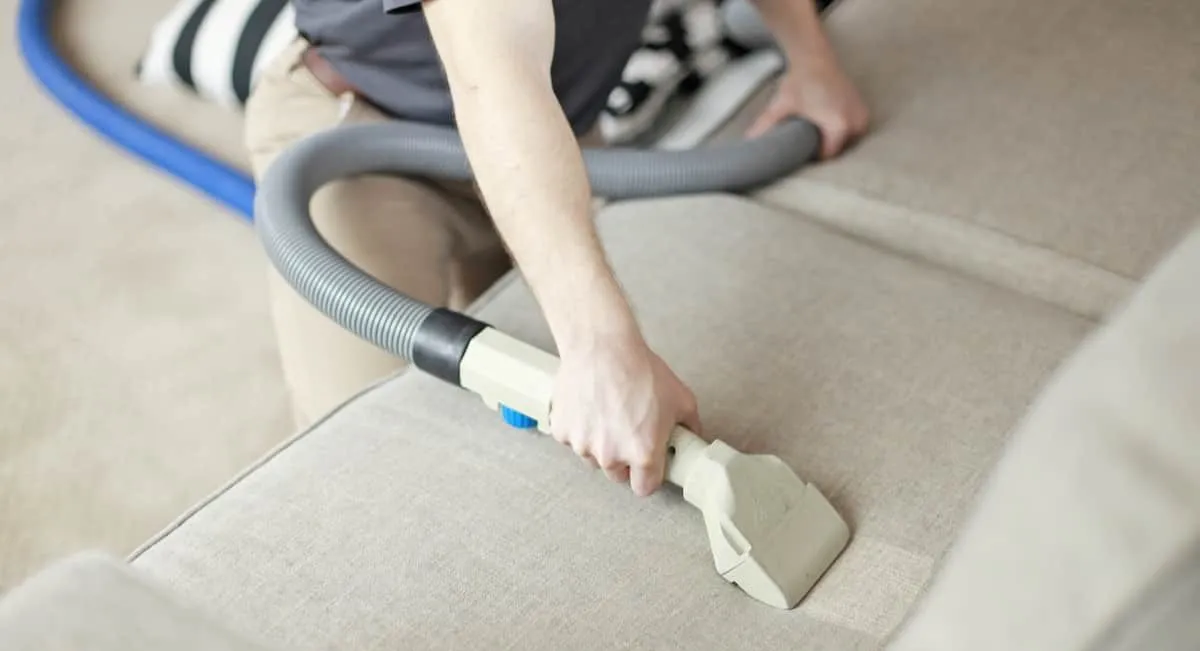
- Vacuum Often: Regular vacuuming of carpets or upholstery can remove loose dirt, debris, and dust that may contribute to fabric wear. Use a vacuum attachment with a softer brush to avoid damaging fabrics.
- Avoid Harsh Chemicals: Stick to products specifically recommended for your type of fabric. Chemicals can damage fabric by breaking down the protective layers.
Fabric Protectors: Assessing Their Condition
Before applying the fabric protector again, check the condition and the layer that is already on the fabric. There are a few signs that your fabric protectant may require reapplication.
- Visible Stained or Spills: If stains, spills, and smudges are not repelling the stain or spill but are seeping through the fabric, then the protective layer could be compromised.
- Appearance of Dullness or Wear: If your fabric appears dull or looks worn out, it is time to change the protective layer.
- Absence of Beading: If fabric protectors are functioning correctly, liquid spills should form beads on the surface. If liquids have stopped beading on the surface, it may mean that you need to reapply your fabric protector.
Reapplying Fabric Defenders
The following steps are essential to ensuring the optimal performance of fabric protectors when they are reapplied:
- Selecting the Right Product: Select a fabric conditioner suitable for the specific type of material. For example, there are different fabric protectors for carpets, upholstery, and outdoor fabrics. Always follow the manufacturer's recommendations.
- Preparing the Fabric: Ensure that the fabric has been thoroughly cleaned and is completely dried before applying the protectant. Dirt or water can affect the effectiveness of the protectant. For carpets, remove all stains by vacuuming.
- Apply Equally: Follow the instructions included with the fabric protectant product. Spray evenly on the fabric from about a 6-12 inch distance. Be sure to cover the entire area, including seams.
- Allow Adequate Dried Time: After applying the fabric protectant, allow the fabric to dry completely prior to use. This could take several hours, depending on the product used and the environment. Use the fabric only after it has completely dried.
- First test on a small surface. If you want to be sure that your fabric protector won't alter the color, texture, or feel of the material, try it out first in a very small area.
Schedule For Regular Maintenance And Reapplication
To ensure fabric protectors continue to perform as they should, set up a regular schedule of maintenance and reapplication:
- Reapply Regularly Depending upon the amount of use and exposure to fabric protectors, it is recommended that you reapply them every 6-12 months. High-traffic areas or fabrics that are often cleaned may need to be treated more frequently.
- Monitor Your Fabric Condition: Monitor your fabric's performance and condition. If its performance begins to decline, reapply your protector.
- Store Properly. Store fabric protectors in a cool, drier place away from direct sun. Incorrect storage can negatively impact a product's effectiveness.
Professional Help
Consider hiring professional cleaners and protectors for large surfaces or expensive fabrics. Professionals use advanced products, equipment, and techniques to ensure thorough application.
Conclusion
Reapplying and maintaining fabric protection is crucial to keeping your fabrics at their best and extending their lifespan. Regular cleaning, assessing protector conditions, and adhering to the proper application methods will ensure your fabrics remain safe from stains, spills, and dirt. By selecting appropriate fabric protectors and adhering to a consistent cleaning regimen, you will be able to appreciate their long-term advantages and maintain an inviting appearance in your home.