Water, while essential for life, can also be one of the most destructive forces when it comes to property damage. Whether it's from a burst pipe, a natural disaster, or a leaky roof, water damage can wreak havoc on homes and businesses alike. However, understanding the causes, effects, and restoration processes can help navigate the aftermath of such disasters more effectively. In this comprehensive guide, we'll explore the main points of water damage and restoration, offering insights into prevention, mitigation, and recovery strategies.
Water Damage
There are numerous possible manifestations of water damage, each with its own set of difficulties and repercussions. From visible leaks to hidden moisture, here are some common types of water damage:
-
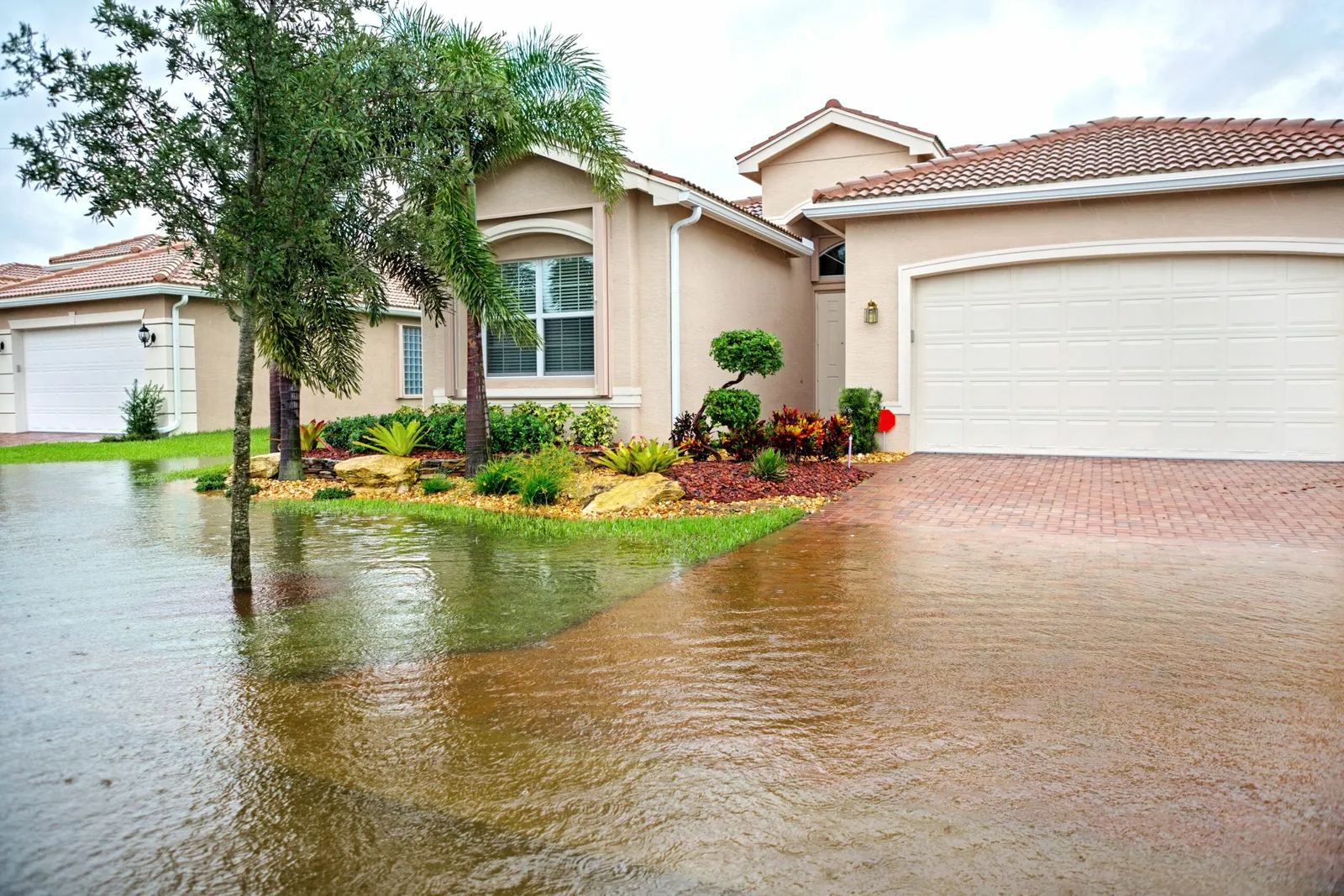
Flood Damage: Floods are among the most severe types of water damage, often resulting from natural disasters such as hurricanes, heavy rainfall, or overflowing rivers. Floodwaters can penetrate structures, causing extensive damage to walls, floors, and belongings.
-
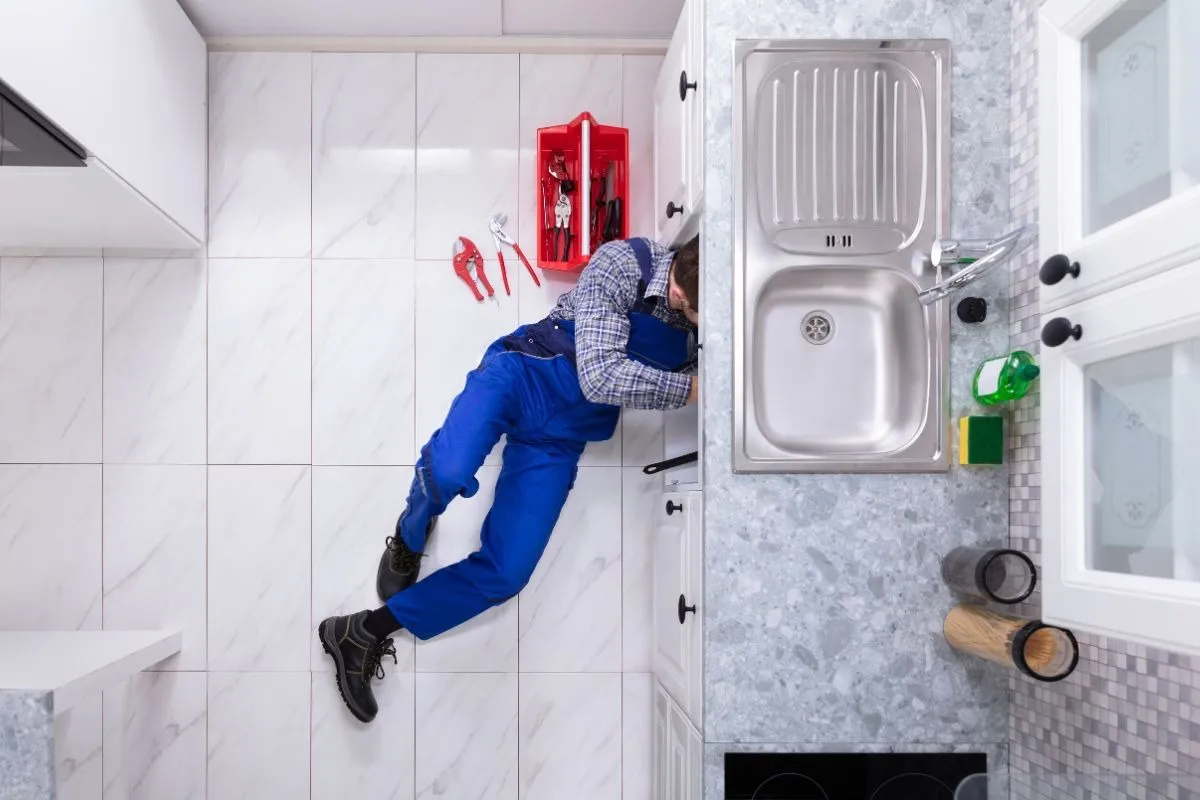
Leak Damage: Leaks from pipes, appliances, or roofs can lead to gradual water damage if left unchecked. Mold growth, structural deterioration, and increased utility expenditures can result from even the smallest of leaks over time.
-
Moisture Damage: Condensation and high levels of humidity can foster the development of mold and fungi. The infiltration of trapped moisture through walls or subfloorings can have detrimental effects on domestic air quality and potentially expose occupants to health risks.
It is critical to comprehend the causes and consequences of water damage in order to implement effective preventative and mitigating measures.
Preventing Water Damage
Although certain instances of water damage are beyond one's control, the majority can be averted through diligent upkeep and maintenance. Here are key preventive measures to consider:
-
Regular Inspections: Conduct routine inspections of plumbing systems, appliances, and roofing to identify and address potential leaks or weak points.
-
Proper Maintenance: Maintain appliances such as water heaters, dishwashers, and washing machines according to manufacturer guidelines. Replace worn-out hoses or fittings to prevent leaks.
-
Roof Maintenance: Keep roofs in good condition by repairing damaged shingles, clearing debris, and ensuring proper drainage. Addressing roof issues promptly can prevent water intrusion during storms.
-
Landscaping: Properly grade the landscape around your property to direct water away from the foundation. Install gutter systems and downspouts to channel rainwater safely away from the building.
-
Insulation And Ventilation: Adequate insulation and ventilation can help prevent condensation and moisture buildup within the home. Ensure proper airflow in attics, crawl spaces, and basements to prevent mold growth.
By implementing these preventative measures, the likelihood of water damage and the costs associated with it can be reduced substantially.
Mitigating Water Damage
Prompt action is imperative in order to mitigate the damage caused by water and avert additional deterioration. Here are key steps to take during the mitigation process:
-
Safety First: When it is safe to do so, ensure the safety of occupants by turning off electricity and gas utilities. Whenever possible, prevent contact with stagnant water that may be contaminated.
-
Assessment: Determine the origin of the water intrusion and assess the extent of the water damage. Document the damage for insurance purposes and prioritize mitigation efforts.
-
Water Extraction: Remove standing water using pumps, vacuums, or other extraction equipment. Prompt water removal can prevent structural damage and mold growth.
-
Drying And Dehumidification: Thoroughly dry affected areas using industrial fans, dehumidifiers, and air movers. Drying properly is crucial for preventing the growth of mold and mildew.
-
Cleanup And Disinfection: Clean and disinfect surfaces, furniture, and belongings that come into contact with water to prevent bacterial growth and odors. Dispose of irreparably damaged items responsibly.
-
Restoration: Restore the property to its pre-damage condition by repairing or replacing damaged materials such as drywall, flooring, and insulation. By addressing any underlying issues, future water damage can be avoided.
By taking swift and decisive action during the mitigation process, you can minimize the impact of water damage and expedite the restoration process.
Restoring Water-Damaged Properties
Restoring a water-damaged property requires a comprehensive approach that addresses both the visible damage and any underlying issues. Here are key considerations for the restoration phase:
-
Professional Assistance: Seek assistance from qualified water damage restoration professionals who have the expertise and equipment to handle the restoration process effectively. They are capable of evaluating the magnitude of the harm, formulating an individualized restoration strategy, and guaranteeing comprehensive remediation and dehydration.
-
Mold Remediation: Address any mold or mildew growth promptly to prevent health hazards and further damage. Professional mold remediation may be necessary to effectively eliminate mold particles and prevent their reoccurrence.
-
Structural Repairs: Repair or replace damaged structural components such as drywall, insulation, and flooring. Make sure that the repairs adhere to industry standards and building codes.
-
Content Restoration: Salvage and restore water-damaged belongings whenever possible. Professional restoration techniques such as drying, cleaning, and deodorizing can help preserve sentimental and valuable items.
-
Preventive Measures: Implement preventive measures to reduce the risk of future water damage, such as installing sump pumps, backup generators, and moisture detection systems.
Conclusion
Water damage can significantly impair livelihoods and property values, but its consequences can be mitigated through education, prevention, and mitigation techniques. By navigating the flood of water damage with diligence and foresight, property owners can protect their investments and restore their homes and businesses to their former glory. Remember that prompt action is crucial for achieving a successful restoration outcome in cases of water damage.