When designing a modern office fitout, every detail matters—from furniture and lighting to layout and décor. However, one crucial element that is often overlooked is flooring. The right flooring can transform an office space, influencing its aesthetic appeal, employee comfort, and overall functionality. Whether you’re aiming for a sleek corporate look or a warm, inviting workspace, flooring plays a key role in creating the right environment.
Style: Setting the Tone for Your Office
Flooring is one of the largest design elements in an office, making it a major contributor to the overall look and feel of the space. Different flooring materials can create distinct aesthetics, so choosing the right one depends on the image your business wants to project.
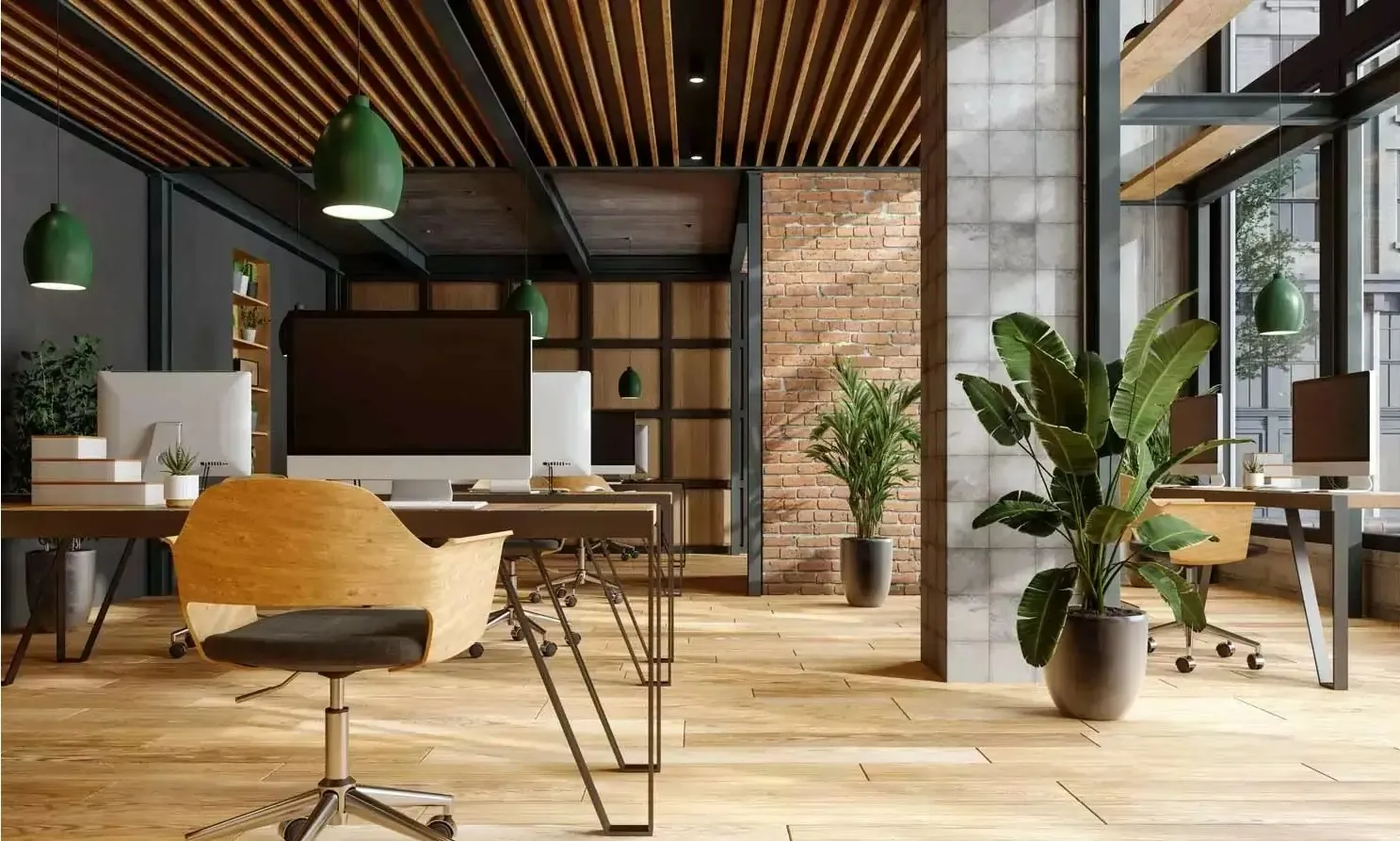
- Timber and Engineered Wood Flooring: Offers a sophisticated, high-end appearance that suits professional and creative workspaces alike.
- Polished Concrete: Ideal for modern, industrial-style offices, providing durability and a minimalist aesthetic.
- Luxury Vinyl Planks (LVP): Available in various finishes, mimicking wood or stone at a more affordable price.
- Carpet Tiles: Great for adding warmth and colour, they also allow for creative designs and zoning within an open-plan office.
A well-designed office fitout should incorporate flooring that compliments other design elements, ensuring a cohesive and professional look.
Comfort: Supporting Employee Wellbeing
Beyond aesthetics, office flooring significantly impacts employee comfort and wellbeing. A well-chosen flooring option can reduce fatigue, minimise strain, and even improve air quality.
- Acoustic Benefits: Offices can be noisy, with phone calls, meetings, and general chatter. Flooring materials like carpet tiles or cork can absorb sound and create a quieter, more productive environment.
- Underfoot Comfort: Employees spend long hours standing or walking, making cushioning an important factor. Carpet, rubber flooring, or vinyl with an underlay can provide better support and reduce strain on joints.
- Thermal Insulation: Flooring materials can also contribute to indoor temperature regulation. Carpet retains warmth in cooler months, while concrete and tiles can help keep the office cool in summer.
When selecting flooring for an office fitout, considering how it will impact daily comfort is essential to maintaining employee satisfaction and productivity.
Functionality: Balancing Durability and Maintenance
Offices experience high foot traffic, so flooring must be durable, easy to maintain, and fit for purpose. Each material has different functional benefits:
- Commercial-Grade Carpet Tiles: Designed for heavy use, they are easy to replace in case of damage and help with noise reduction.
- Vinyl Flooring: Resistant to spills and stains, making it an excellent low-maintenance option.
- Polished Concrete: Extremely durable and ideal for large, high-traffic areas.
- Hybrid Flooring: A combination of laminate and vinyl, offering water resistance and impact durability.
The best office fitouts carefully consider flooring that withstands wear and tear while requiring minimal upkeep.
Final Thoughts
Flooring is more than just a foundation—it influences the style, comfort, and functionality of your workspace. A well-chosen flooring option can enhance aesthetics, improve employee wellbeing, and ensure longevity for years to come. When planning your office fitout, take the time to explore different flooring solutions that align with your brand identity and workplace needs.
By making a thoughtful investment in office flooring, you can create an environment that not only looks great but also supports productivity, comfort, and efficiency.