
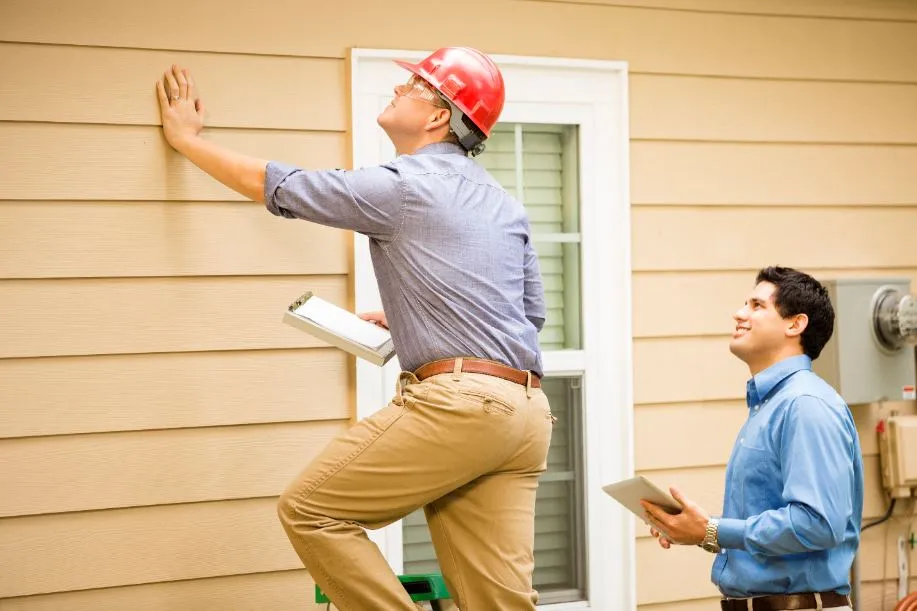
Buying a home is one of the most significant investments one can make in a lifetime. Whether it's your first home or a new addition to your property portfolio, ensuring the property is in good condition is paramount. This is where a comprehensive home inspection comes into play. A thorough examination of the property can reveal potential issues that may not be immediately apparent to the untrained eye. We've compiled the ultimate home inspection checklist to help prospective homebuyers navigate this crucial step in the home-buying process. From the foundation to the roof and everything in between, here's what to look for before making that all-important purchase.
1. Exterior Inspection:
Start your inspection from the outside. Walk around the property's perimeter and note any visible damage to the exterior walls, siding, or foundation. Look for cracks, water stains, or signs of mildew, as these could indicate underlying structural issues. Pay close attention to the roof's condition, gutters, and downspouts. Check for missing or damaged shingles, sagging gutters, and clogged downspouts, as these could lead to water damage if not addressed.
2. Interior Inspection:
Once you've assessed the exterior, it's time to move indoors. Begin by inspecting the walls, ceilings, and floors for any signs of water damage, such as stains or bulges. Test the windows and doors to ensure they open and close properly and check for any drafts or air leaks. Examine the electrical system, including the circuit breaker panel, outlets, and light switches, for any signs of wear or outdated wiring. Inspect the plumbing system for leaks, corrosion, or water pressure issues, and check for proper drainage in sinks, showers, and toilets.
3. Structural Inspection:
A thorough structural inspection is essential to ensure the integrity of the property. Look for cracks in the walls or foundation, sloping floors, or stuck doors, as these could indicate foundation problems. Check the attic and crawl space for signs of water damage, mildew, or pest infestations, and inspect the insulation and ventilation to ensure they meet current standards.
4. Examining The HVAC System:
Proper heating and cooling are essential for comfort and energy efficiency. Have the HVAC system inspected by a qualified professional to ensure it's in good working order. Check the age and condition of the furnace, air conditioner, and ductwork, and inquire about any maintenance or repairs that have been performed.
5. Appliance Inspection:
Inspecting the appliances included with the home is an often overlooked but crucial step in the home-buying process. Check the age and condition of the refrigerator, stove, dishwasher, washer, and dryer and test them to ensure they function properly. Look for any signs of rust, corrosion, or unusual noises, as these could indicate underlying issues that must be addressed.
6. Environmental Inspection:
In addition to the structural and mechanical components of the home, it's essential to consider any potential environmental hazards. Schedule inspections for radon, mold, lead-based paint, asbestos, and other potential contaminants to ensure the property's and its occupants' safety. Depending on the location and age of the home, additional inspections may be necessary to address specific environmental concerns.
7. Documentation And Reporting:
Once the inspection is complete, review the inspector's findings and ask any questions you may have. Request a detailed report outlining the inspection results, including any identified issues and recommendations for repairs or further evaluation. Advantage Inspection offers comprehensive home inspection services to ensure that prospective homebuyers can make informed decisions about their purchase. Use this information to negotiate with the seller and decide whether to move forward with the purchase.
In conclusion, a comprehensive home inspection is an essential step in the home-buying process. Following the ultimate home inspection checklist outlined above, prospective homebuyers can identify potential issues and make informed decisions about their purchase. Investing in a thorough inspection upfront can save you time, money, and headaches