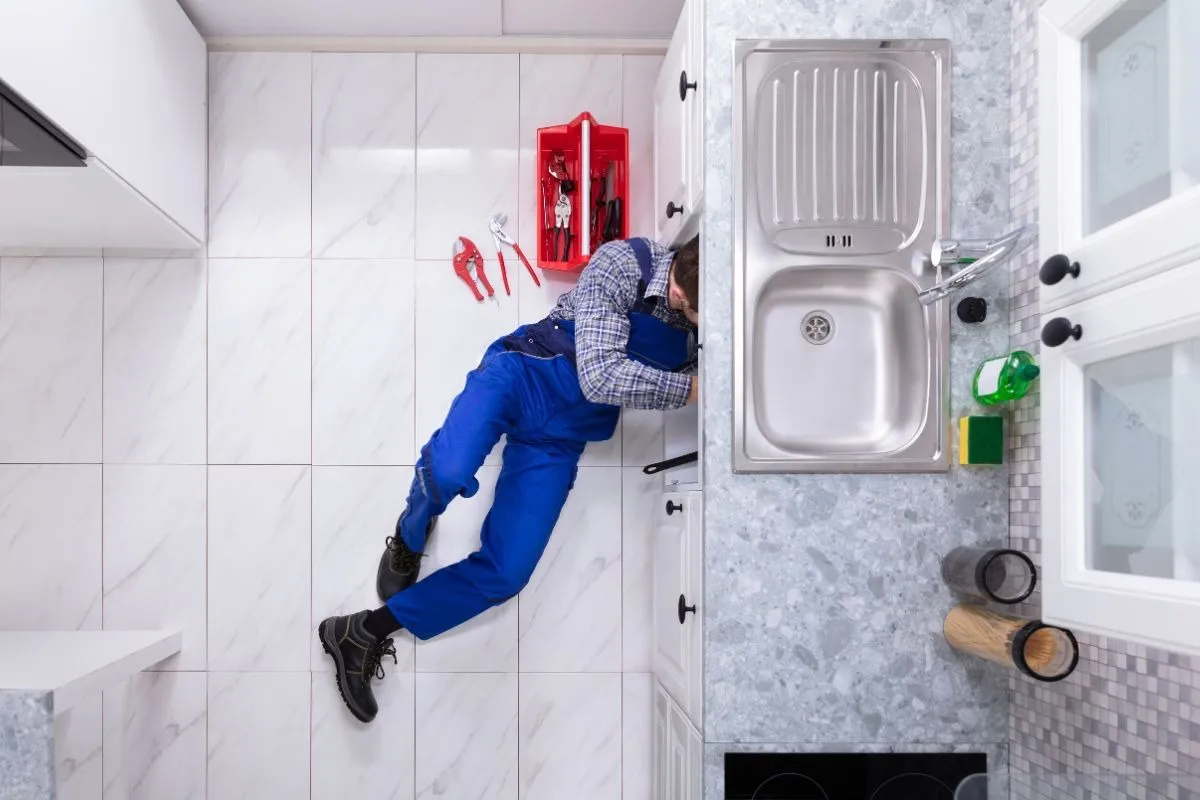
Low water pressure in your home is frustrating, particularly when trying to take a relaxing shower or fill a pot for cooking. Understanding its causes is critical in finding effective solutions; teaming up with the Best plumbing coservice provider is highly beneficial in identifying and treating these causes efficiently. Here are the main causes behind low water pressure at your residence, along with advice for managing them efficiently:
1. Leaky Pipes
A small leak can seriously alter water pressure in your plumbing system, as even small quantities of water escaping through leaks reduce how much it reaches faucets and fixtures. Early identification can save more extensive damage, costly repairs, or extensive renovation. Professional plumbing services often employ special tools and methods for finding hidden leaks within their services to quickly detect these costly damages and leaks before more extensive damage results in further complications for you and potentially costly repairs for their clients.
2. Faulty Fixtures
A reduction in water pressure could also result from defective fixtures like faucets or showerheads. These fixtures contain mineral build-up that prevents enough water from passing through, thus decreasing flow rates and pressure levels. Regular cleaning or replacing can significantly improve both flow rates and pressure.
3. Pressure Regulator Problems
Many homes contain pressure regulators, which help ensure even water pressure in each room. However, when these malfunction, pressure fluctuations could ensue throughout your home. A professional plumber will need to assess and adjust/replace/adjust or adjust as required to restore the normal flow of water back through its pipes. Having a professional check, adjust, or replace this device can bring normality back if necessary.
4. Issues With Main Water Supply
Issues may originate within your main water supply system. If there are municipal supply issues or damage to supply lines that affect home water pressure levels, consulting your local water authority will provide insight into any ongoing concerns in your community.
5. Shared Water Supply
If you live in an apartment building with shared water lines or a multi-family dwelling with shared supply lines, your water pressure could be affected by other residents using it simultaneously this may result in a noticeable decrease in pressure for everyone using their tap at once. Installing a pressure booster pump might provide relief.
6. Obstructed Vents
Your plumbing system relies on vents to allow airflow in and out, creating an outlet for waste products from pipes or tankless water heaters to pass. If these vents become blocked up, they could create a vacuum effect, resulting in lower water pressure levels. Therefore, keeping these passageways clear for proper functioningis vital for optimal water circulation and flow rates.
7. Outdated Plumbing System
Older homes may feature outdated plumbing systems crafted of materials like galvanized steel that rust with time, leading to corrosion-induced leakage or clogs and blockages in water lines. Upgrading these outdated materials with modern ones may improve water pressure and overall efficiency, offering many other advantages.
8. Water Heater Issues
Are You Suffering Low Water Pressure When Switching From Hot To Warm Water Only? Your Water heater could be to blame! Sediment build-up in its tank could restrict flow. Flushing regularly with clean water should help ensure efficiency and protect you against pressure issues.
9. Water Softener Malfunctions
Your water softener might be miscalibrated or malfunctioning. A poorly performing softener could result in pressure drops. Routine maintenance checks of settings and calibration can ensure it operates effectively without impacting pressure levels.
10. Seasonal Changes
At peak usage times like summer or when everyone is home, water demand increases rapidly, leading to decreased pressure. Heavy rainstorms or snowmelt may also alter local supplies, resulting in fluctuations that alter expectations regarding pressure. Being aware of such seasonal shifts will allow you to manage expectations about pressure more accurately.
11. Climatic Conditions
Extreme weather can significantly impact water pressure in certain locations. For instance, during drought conditions, the local water authority might reduce supply, leading to lower pressure in homes. Being informed of local use restrictions will help you understand any temporary variations to your pressure.
Conclusion
Low water pressure may result from various sources, so understanding its causes allows for proactive measures. Partnering with an established plumbing co can ensure expert advice and timely interventions are offered to maintain optimal pressure in your home. Regular inspections, maintenance checks, and timely repairs help keep plumbing systems in peak condition, providing constant access to fresh water when needed. By resolving such common issues in advance, homeowners can enjoy comfortable plumbing service throughout their residences without interruptions.