
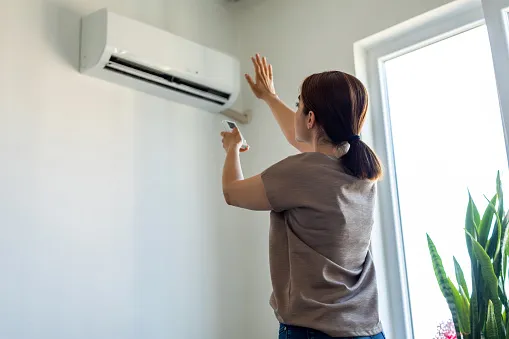
In the world of contemporary life, air conditioning (AC) systems are essential where comfort and productivity meet. Whether at work or at play, the ability to control indoor climate not only ensures physical comfort but also significantly influences cognitive functions and overall well-being. This article explores the many uses of air conditioning and how it can improve productivity in a variety of contexts.
The Impact On Work Environments
Optimal Working Conditions
In professional settings, maintaining a conducive work environment is crucial for employee performance. Air conditioning regulates indoor temperatures, ensuring comfort regardless of external weather conditions. Because of this regularity, workers are able to concentrate on their work without being distracted by discomfort from the heat or humidity.
A research conducted by Cornell University found that workers are most productive when temperatures are between 70°F and 73°F (21°C to 23°C). Employees who work in environments with optimal temperature regulation report feeling more satisfied with their jobs and doing better overall.
Enhanced Cognitive Function
Beyond physical comfort, air conditioning influences cognitive functions essential for productivity. Heat stress can impair concentration, memory, and decision-making abilities. By cooling the environment, AC systems mitigate these effects, enabling employees to maintain peak cognitive performance throughout the workday.
Health Benefits
Air conditioning also promotes employee health. By lowering humidity levels and filtering air contaminants, it lowers the chance of allergies and respiratory problems. Reduced sick days and increased general well-being among employees are two other benefits of improved air quality that boost morale and productivity at work.
Efficiency And Cost-Effectiveness
Comfort and sustainability are balanced in the design of modern air conditioning systems, which prioritize energy efficiency. Businesses benefit from reduced energy costs and operational efficiency, making air conditioning a practical investment in long-term productivity gains. Airomania aircon installations Bondi ensures optimal comfort and productivity, transforming work and leisure environments with their advanced cooling solutions.
The Role In Recreational And Residential Settings
Comfort In Leisure
Air conditioning extends beyond the workplace, enhancing leisure activities and relaxation at home. Whether watching movies, playing games or simply unwinding after a busy day, a cool and comfortable environment enhances the enjoyment of recreational pursuits.
Family And Social Dynamics
In residential settings, air conditioning fosters harmonious family interactions by creating a comfortable atmosphere for shared activities. Children can focus on homework, and adults can pursue hobbies without the discomfort of excessive heat. This promotes bonding and enhances the overall quality of life within the household.
Sleep Quality
Both general health and cognitive performance depend on getting enough good sleep. Air conditioning systems regulate bedroom temperatures, creating optimal conditions for restful sleep. Cooler temperatures promote deeper sleep cycles and reduce the incidence of sleep disruptions caused by heat, contributing to improved daytime productivity and well-being.
Technological Advancements And Sustainability
Smart HVAC Systems
The creation of intelligent HVAC (heating, ventilation, and air conditioning) systems is the result of technological advancements. These systems offer remote access, energy usage analytics, and adaptive temperature control based on occupancy and weather conditions. Smart HVAC solutions optimize comfort while minimizing energy consumption, aligning with sustainable practices and reducing environmental impact.
Energy Efficiency And Environmental Impact
The integration of energy-efficient components and eco-friendly refrigerants in modern air conditioning systems reduces carbon footprints and operational costs. Businesses and homeowners can achieve significant savings on utility bills while contributing to global efforts in environmental conservation.
Conclusion
In conclusion, air conditioning systems play a pivotal role in enhancing productivity across work and leisure environments. By maintaining optimal temperatures, improving air quality, and supporting cognitive function, AC systems contribute to physical comfort, mental well-being, and overall efficiency. Whether in professional settings or at home, the benefits of air conditioning extend beyond mere cooling—they empower individuals to perform at their best, fostering a balanced and productive lifestyle